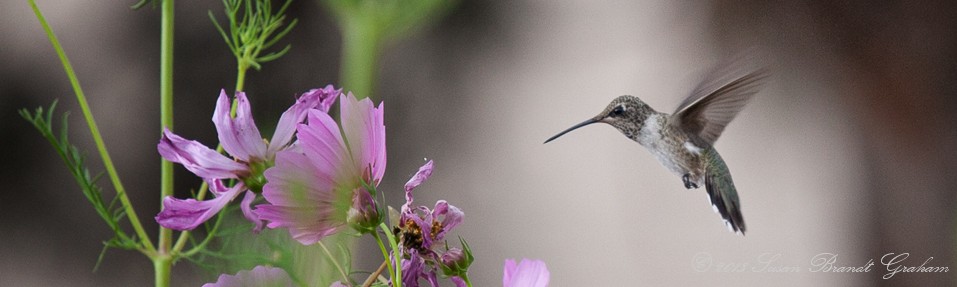
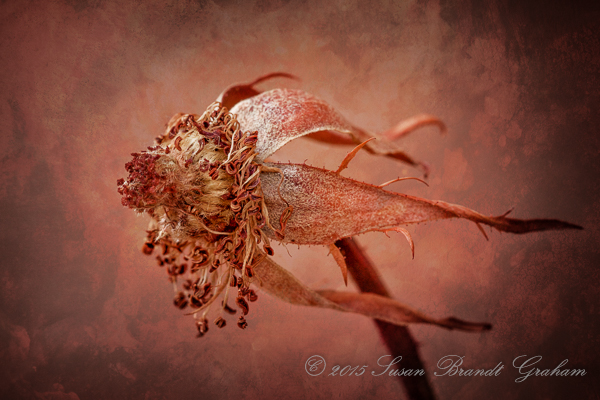
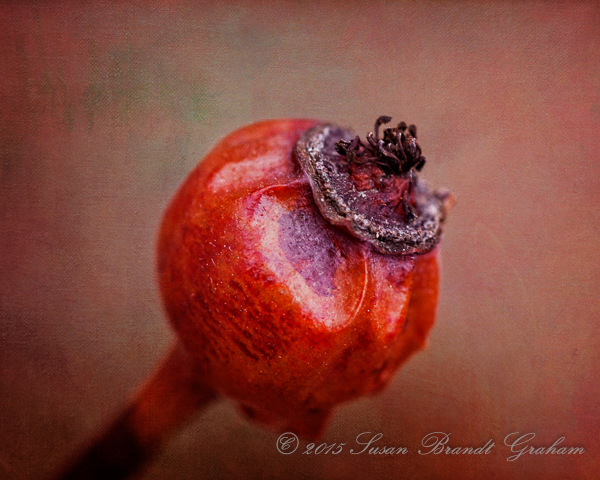
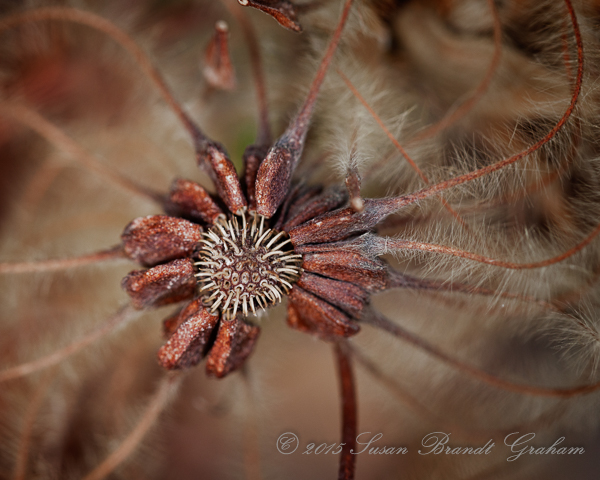
Winter beauty in the garden is often overlooked. While things can appear brown and dry in the winter, especially in the high desert of the Southwest, bits of color can be found as well.
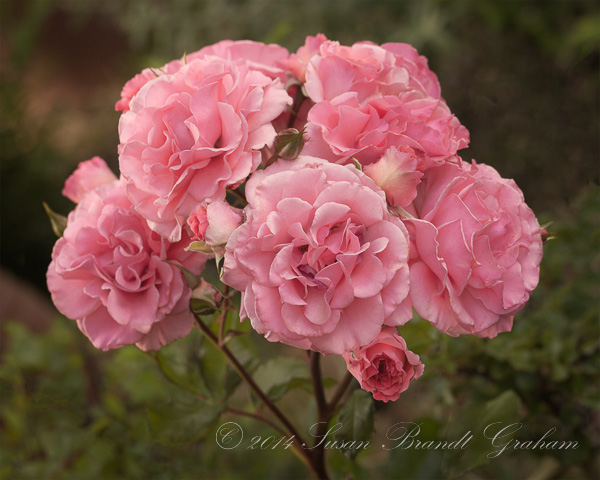
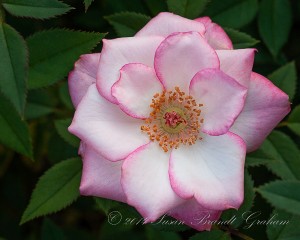
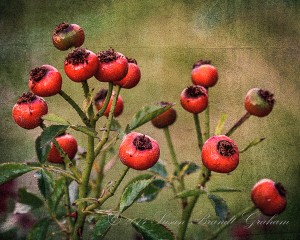
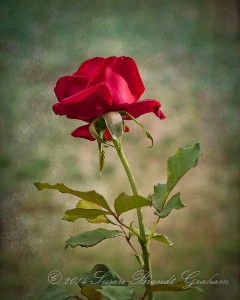
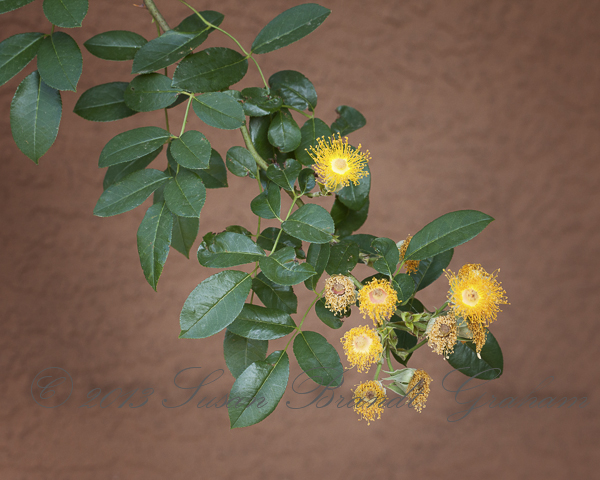
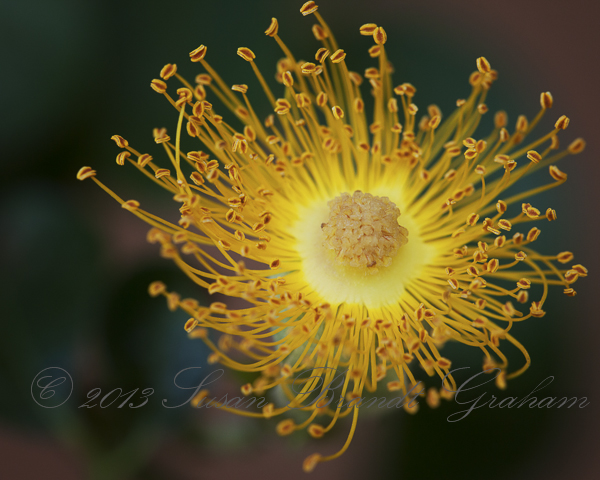
Spent bloom, Veterans’ HonorHip of climbing rose, ‘Fourth of July’Clematis seed head and seeds
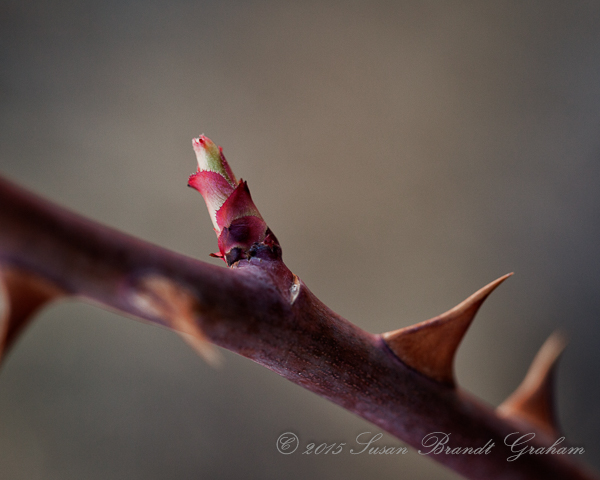
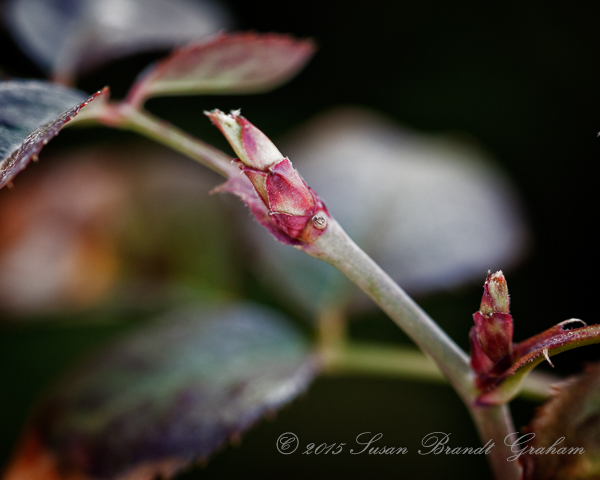
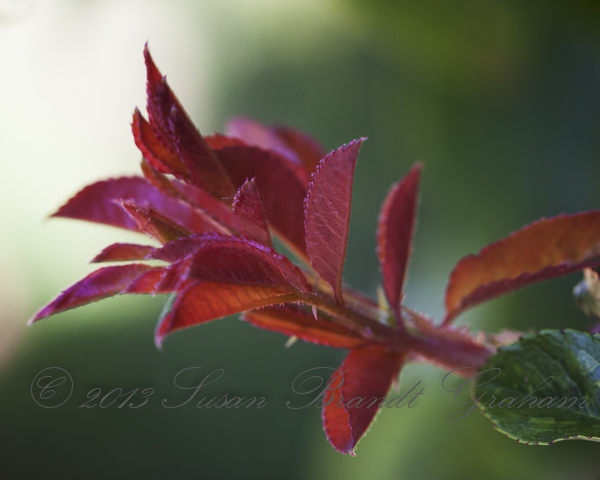
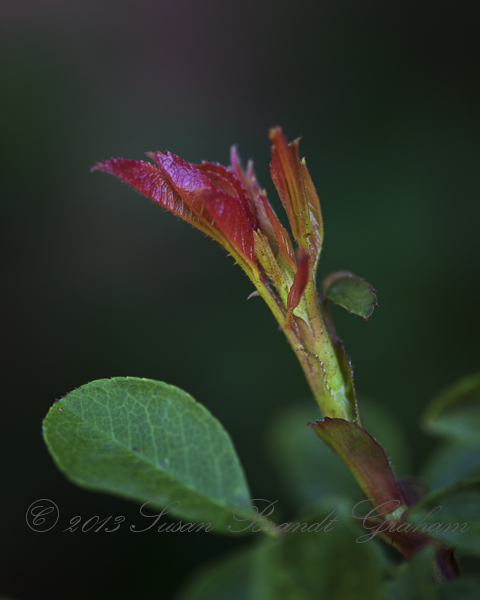
Here in Albuquerque, we have had some unusually warm days for an extended period of time, and roses in particular are beginning to show leaf buds way too early this year. If it stays warm, that will not be a problem. If we get the almost-invariable cold snap at this point in time, the plants could be damaged and blooms delayed. Hopefully, that will not happen!
As I was out surveying just how many plants in my yard are way ahead of schedule this year, I photographed some remains of last year’s blooms. I personally find them quite beautiful, and I hope you enjoy seeing them.
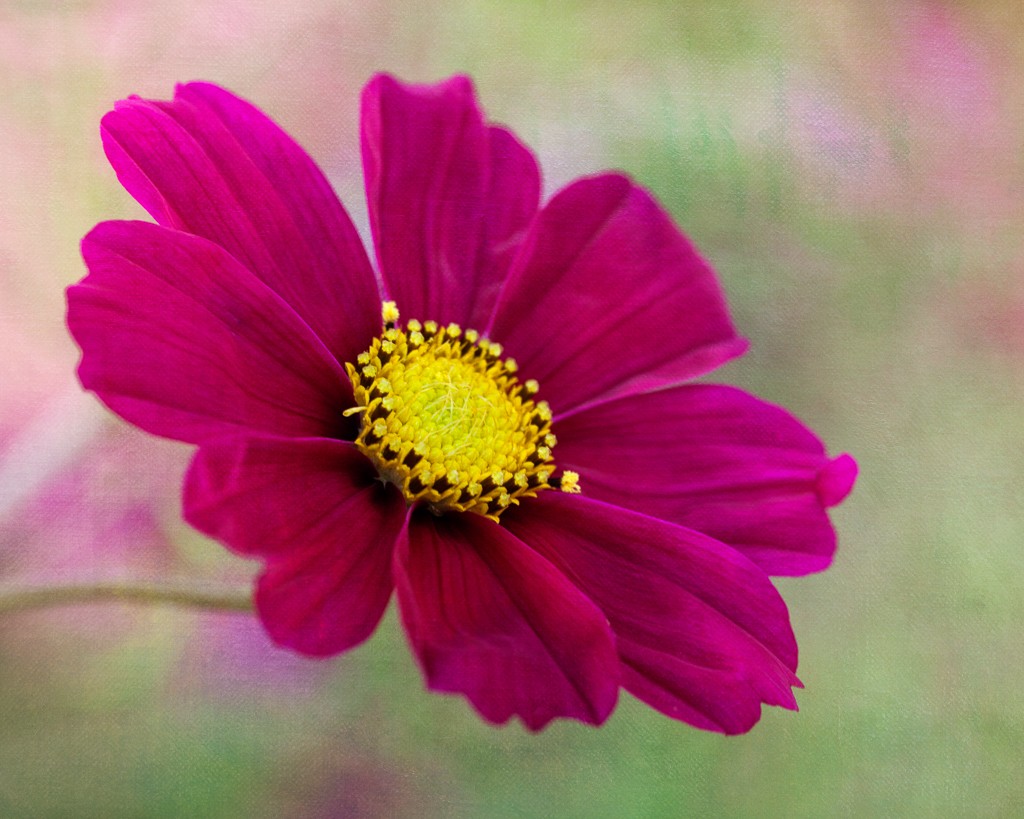
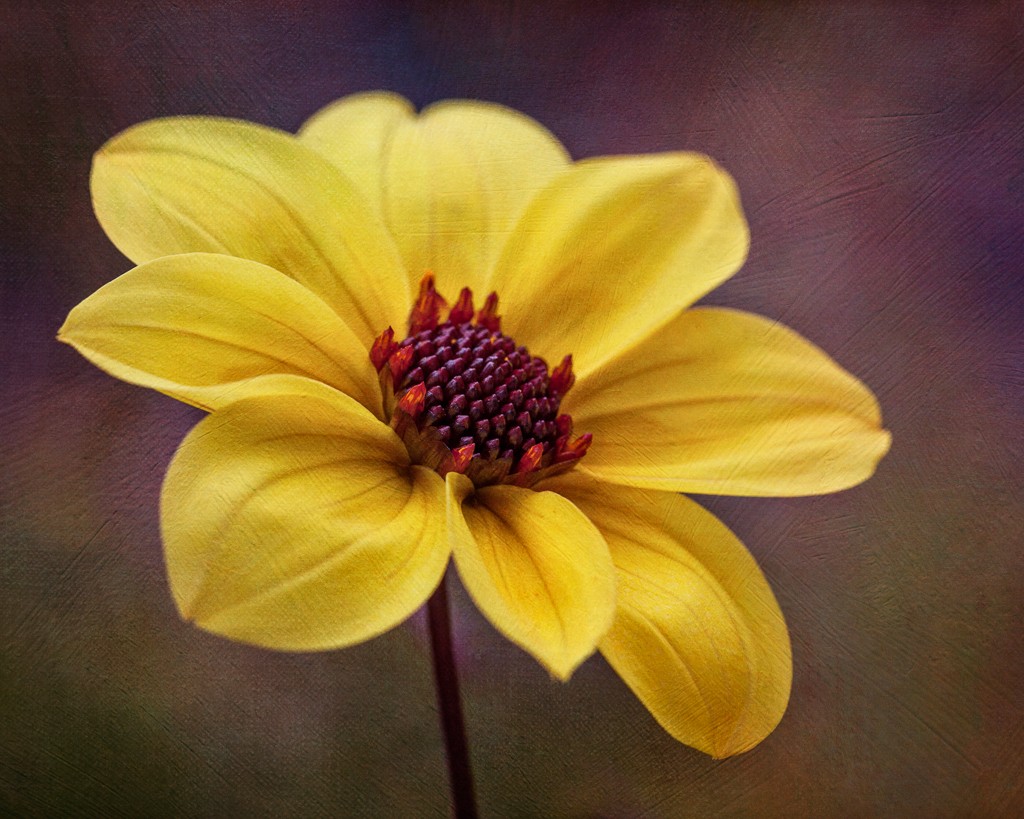
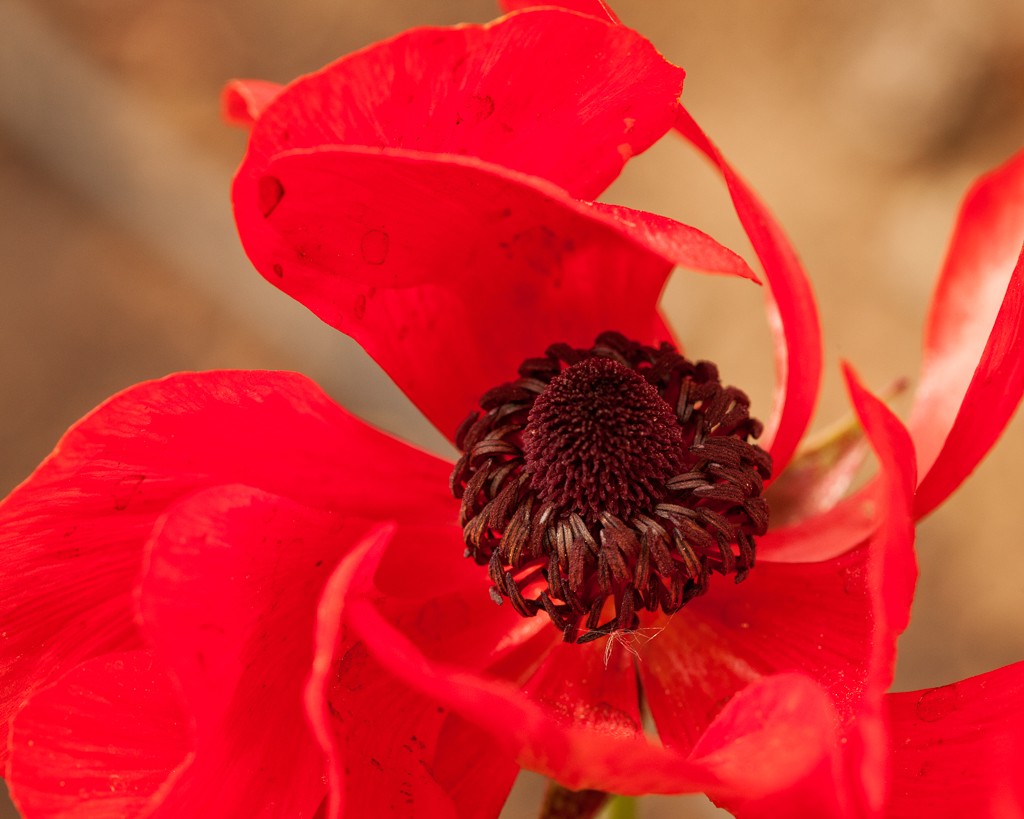
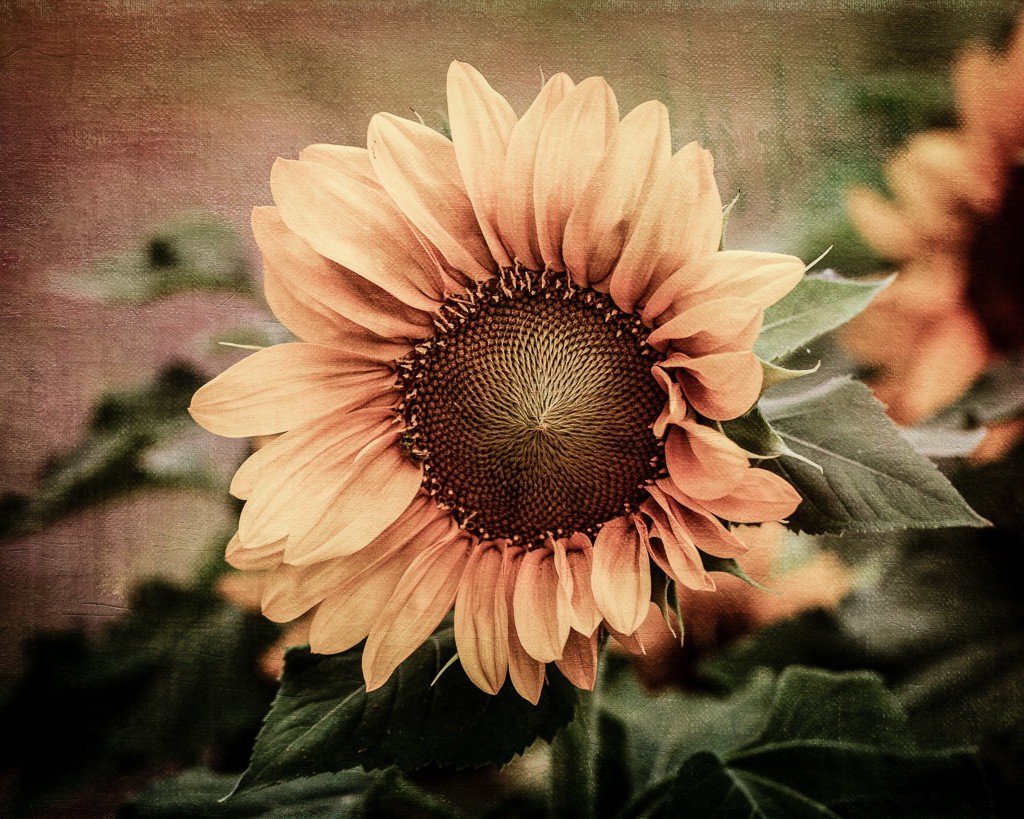
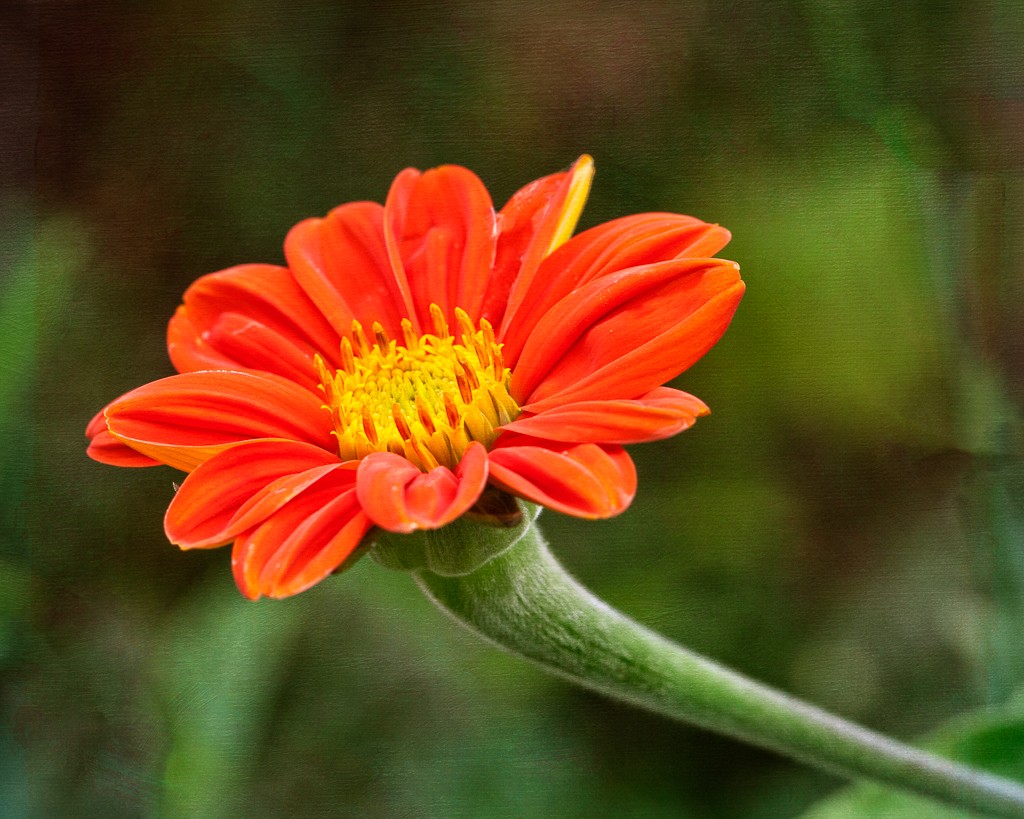
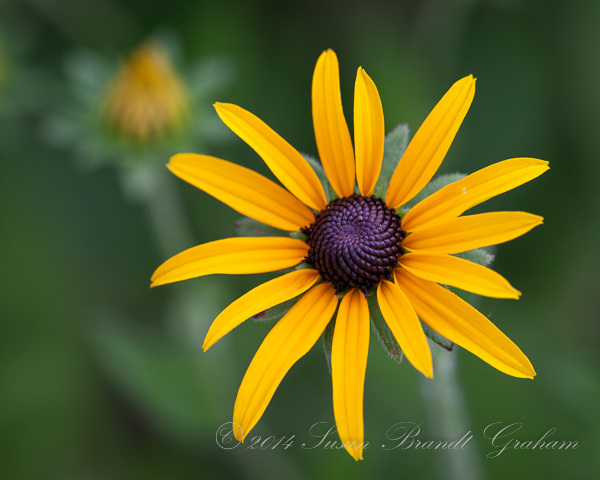
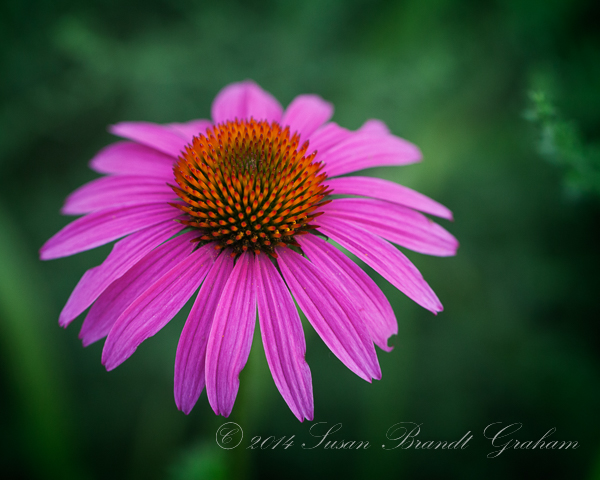
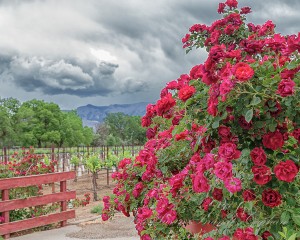
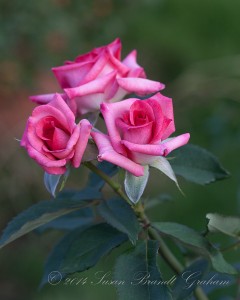
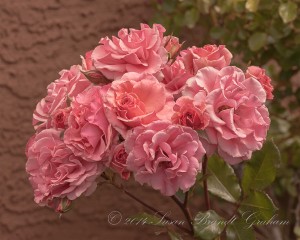
Summer Flowers – such a wide range of vivid colors with which to paint a landscape – or a container or two. These flowers are a reminder of summer. Here in the Southwest, we have had an exceptionally mild winter. This collection is especially for my friends in the Northeast, caught in the seemingly Winter of Endless Snow! Although the winter here has been mild, I’m ready for some summer flowers, too! 🙂
The flowers of summer shown here are easy to grow, and most attract butterflies and bees. Some are annuals, some are perennials, but all bring beauty. I always grow some of these, even though I grow more roses than anything else. Variety is good! Some of these are from my yard, some are from the home of friends Tim and Laurie, and some are from the Albuquerque BioPark.
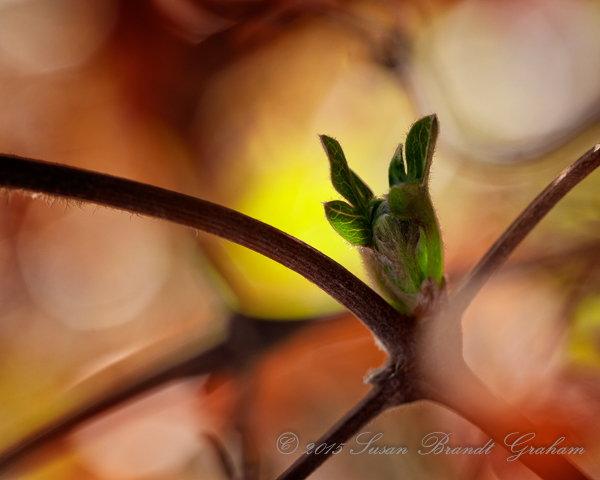
Spring. Can it ever be too early? As the Northeast is buried under record total snowfall for a winter, Albuquerque has been enjoying a stretch of warm, sunny, windless days, with highs hovering around 70°F. It is glorious just to be out and enjoying what many – including me – would describe as “perfect weather.”
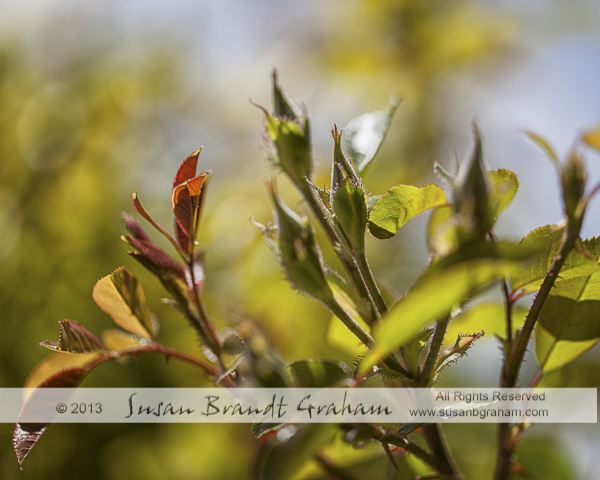
Clematis putting on growth in early February
Early growth on my clematis vine, growing as a companion plant with my rose ‘Mermaid.’
The question for a gardener, though, here in the High Desert, is, “can spring be too early?” That is a question that cannot be answered until late May! Why? The average last frost-free date here is in mid-April. If plants have already sprung forth with new growth, the tender new growth can die. One year we have a very late freeze in mid-May, and by that time the roses already had much new growth, buds, and some were actually blooming. That freeze killed back much of the new growth, and the Spring Rose Show of the Albuquerque Rose Society was pretty small that year. Along with the show, we had an Arrangement Judging School (taught by Lew Shupe and Gary Barlow!) attended by rose lovers from all over the Pacific Southwest District. The only roses that year I had to donate to the school for practice arrangements was ‘Betty Boop.’ Although that is the latest killing freeze I have experienced in my part of Albuquerque, I have not forgotten it!
Then there are the fruit trees. I have the dwarf peach ‘Bonanza,’ a fruit tree I truly love for many reasons. But, it is an early bloomer, and some years we get a freeze after the bloom and no peaches will be harvested that year. I grow it for many reasons besides the peaches, but I still prefer the years when peaches form. 🙂 I also have two pear trees: one that produces pears people like to eat, and the pollinator pear that produces pears the birds like to eat. Win-win for all! In years with late freezes, after the pears trees have bloomed, the tree with the fruit for people will not produce. I have to say, the pollinator pear is tough – the birds nearly always have their fruit produced.
The grandiflora ‘Queen Elizabeth’ beginning to sprout out in early February
Rose ‘Betty Boop’ spontaneously producing growth in early February
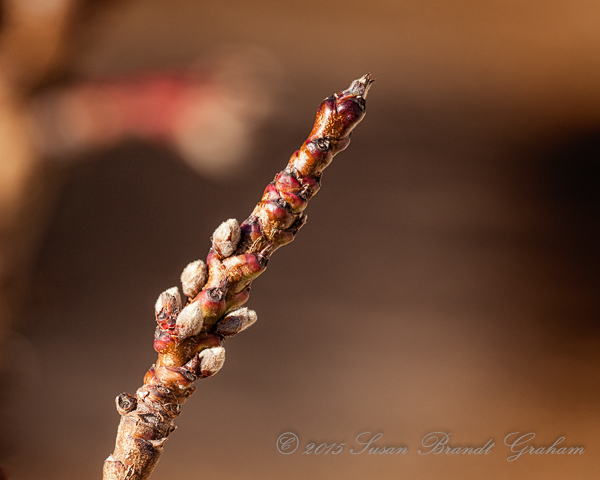
Swelling buds on dwarf peach ‘Bonanza’ in early February
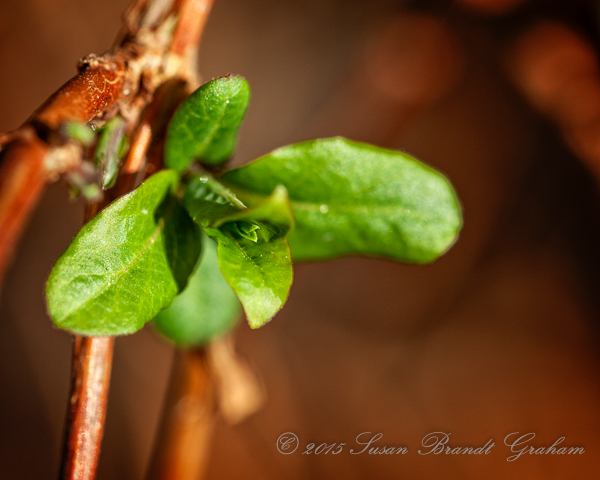
Honeysuckle with early spring growth
Clematis putting on growth in early February
Today and tomorrow are also supposed to be glorious days with highs around 70. I will be out enjoying the weather, and working in the garden to dig weeds and to do general clean-up. I could not ask for better weather. But behind all of that is just a bit of worry that the plants that are responding to the glorious weather now may also respond to cold weather and late freezes that can be part of life in the Southwest Desert. We won’t know if spring is too early until summer has arrived.
Challenges of Gardening in the High Desert in February
February gardening in New Mexico? Well, that can be both a temptation and a challenge. Here in Albuquerque we are in the midst of a series of warm, sunny days without wind; perfect gardening weather!
The problem is, our average latest frost-free date is in mid-April, and I have seen killing freezes as late as May. When it comes to roses, for example, we tend not to prune until early April, and fertilize even later.
Fortunately, there is no shortage of things to do in the garden in February when the days are so wonderful for being out. I did some weeding; I need to do a lot more before Spring really does arrive! I removed some dead canes from some of the roses. This is not pruning; this is removing dead canes, plain and simple.
I couldn’t help looking over my own-root miniature roses in containers, in protected areas. Some of these have not been appropriately pruned in some time. They always start to leaf out in February, and by the time another 6-8 weeks go by, they are virtually impossible to prune. The canes become spindly, and the blossoms smaller and with less perfect form.
February Gardening – I took a chance with some of these own-root miniature roses, in containers, in protected spots, and pruned them. Several different outcomes are possible with this February Gardening action:
these miniature roses could look better than they have in years;
these miniature roses could die back to the ground with a really severe cold snap, but since they are own-root, most would come back, although it might take time;
the majority could look like they always have.
I want to stress that I did this only with own-root roses in protected areas, for this February gardening and rose pruning action.
This is not the only time I have gone against conventional wisdom in the pruning of some of my roses. Some of you know that I have the Old Garden Rose, ‘Mermaid,’ a Hybrid bracteata introduced in 1918. After its near-demise in the 22 inch snow (“The Big Snow of 2006”), I always cut it back in the fall, and then do not trim it again until after first bloom. It has rewarded me with lush spring growth and spectacular first blooms. It then blooms intermittently throughout summer and fall.
But, this is the first time I have pruned any roses as part of February gardening in Albuquerque. I’ll keep you updated on the result.
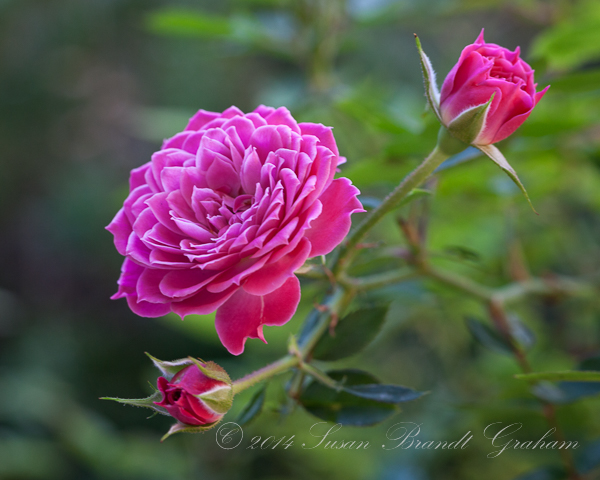
Miniature rose ‘Marriotta.’ On its own root, and grown by me in a container in a protected spot. Image from Fall, 2014.
Roses in Albuquerque in 2014 continued to suffer the effects of the prolonged drought in the Southwest. Albuquerque has devised a very effective way to encourage residents to reduce their use of water. We do not (yet) have formal rationing for most private users. However, the water bill is on a sliding scale based on use. The more water a person uses, the higher the rate becomes. Let me assure you, that is a very effective way to encourage people to be aware of their use of water.
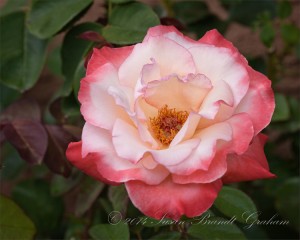
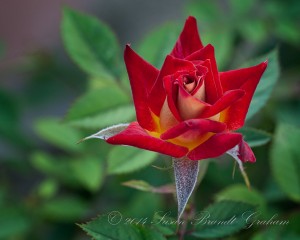
I have decreased the number of roses I am currently growing. The ones I have kept are ones that mean something special to me, each for different reasons. I have spent more time photographing the roses I do have (as well as many other things). The roses on this page are roses I grew (with the exception of the image of Dr. Huey, taken on the First Annual Dr. Huey Rose Tour of the Corrales Rose Society, and the back cover of the 2014 American Rose Annual) and photographed.
Spray of rose, ‘Dream Weaver.’ Image awarded ‘Queen’ at the ARS Fall 2014 National Convention.
“Gemini” – Creative Interpretation
King of Show in Photography, ARS 2014 Fall National Convention
Best of Show in Photography, Albuquerque Spring 2014 Rose Show
Spray of ‘Dream Weaver,’ Queen of Show in Photography at the 2014 ARS Fall National
Miniature rose, ‘Child’s Play,’ fully open, stamens showing
Blue Ribbon and Best of Section, Fully Open Roses, 2014 ARS Fall National Rose Show and Convention
Hips of Miniature Rose Yoyo
Blue Ribbon and Best of Section Rose Potpourri
Rose Gemini
Best of Section, Albuquerque 2014 Spring Rose Show
Blue Ribbon in Photography, ARS 2014 Fall National Rose Show and Convention
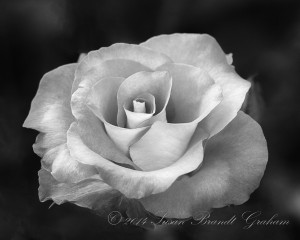
Best of Black and White Challenge Class, Albuquerque 2014 Spring Rose Show
Blue Ribbon, ARS 2014 Fall National Rose Show and Convention
Shrub Rose Distant Drums
Best of Theme, “The Artistic Rose,” Albuquerque 2014 Spring Rose Show
Miniature Rose, ‘Child’s Play’
Blue Ribbon, ARS 2014 Fall National Rose Show and Convention
The wonderful rose, ‘Gemini,’ shown here fully open with stamens showing
Blue Ribbon, ARS 2014 Fall National Rose Show and Convention
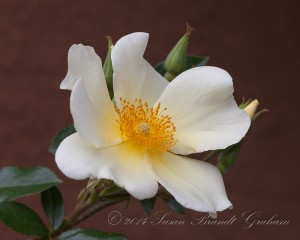
Old Garden Rose, Hybrid bracteata 1918
Mermaid
Rose Mermaid
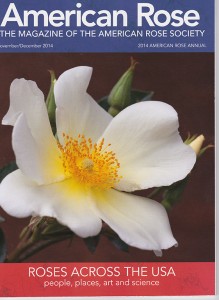
Front cover, 2014 American Rose Annual
Back Cover, 2014 American Rose Annual
“Roses in Red, White, and Blue American Landscape”
A stunning miniature rose with distinctive reflex petals – Glowing Amber
Blue Ribbon at the ARS 2014 Fall National Rose Show and Convention
Veterans’ Honor – Creative Interpretation
Blue Ribbon, ARS 2014 Fall National Rose Show and Convention.
Honorable Mention at the small 2014 Santa Fe Rose Show, highlighting once again the need for standardized judging guidelines and especially ARS accredited rose judges (and especially judges chairs) who also possess recognizable photography credentials.
Rose Dr. Huey, often used as root stock for other roses grown for blooms.
Blue Ribbon, ARS 2014 Fall National Show and Convention.
Honorable Mention at the small Santa Fe show, once again highlighting the need for standardized judging guidelines, and judges (especially judges chairs) who are ARS accredited judges with recognized photography credentials.
Spray of miniature rose, Foolish Pleasure
Blue Ribbon, ARS 2014 Fall National Rose Show and Convention.
Third place at Santa Fe’s small local show, highlighting the need for standardized guidelines and judges (especially judges chairs) who are ARS accredited judges and who are also photographers with recognized credentials.
Rose Dream Weaver
Best of Class, Rose Sprays, at Albuquerque 2014 Spring Rose Show
Rose Leonidas
This hybrid tea has very distinctive form and colors.
I especially appreciate that the judges in this national show used the Score Card developed when I served as the first Chairman of Photography in the Pacific Southwest District for judging the rose photographs. When I began that task in the PSWD, it was clear that some system and uniformity was necessary. To see the Score Card used at the national level is very gratifying to me. Much less gratifying is overhearing judges instructions being given at some of the local shows in the Pacific Southwest District in 2014, where the instructions given were one person’s opinion with no reference to the Score Card, although the Score Card was printed in the Schedule. That will change over time, as those judging rose photographs will be required to be accredited rose judges, as in all other portions of rose shows today.
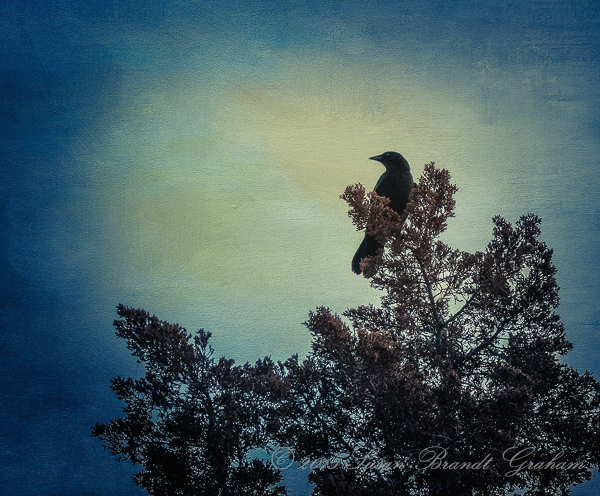
The Observer, The Observed with “Spontaneous Poem from a Treetop Crow” by Jim Stallings
The joys of gardening include much more than just plants, no matter how much we love our plants for the beauty they provide. The joys also include the variety of wildlife attracted, and that is nowhere more true than here in the desert Southwest. I love the variety of birds, bees, butterflies, and so forth that are attracted to my yard.
In early January I was out photographing a cloud bank rolling over the Sandia Mountains, with a storm predicted to follow it. Suddenly, a “murder” of raucous crows appeared, seemingly out of nowhere, and they perched briefly in a neighbor’s tree, very close to the house, meaning no decent images. This one crow, however, stayed behind, briefly, and seemed to pose for this one image.
The Observer, the Observed
This was at a time when my family was dealing with some bad news. In response to that, and seeing this image of the crow, Jim wrote this poem (a gift of encouragement to my family), and I asked if I could post it here.
Spontaneous Poem from a Treetop Crow
In the lofty life of a wise old crow
Swaying in the topmost backyard branches
Like a magical clock counting down mortality’s coil,
May it not be in some secret way
We the awed observers
Have all along been honored by a wiser watcher?
One of the joys of gardening is attracting birds, butterflies, dragonflies, and other beautiful things to the yard. They like the plants, and really appreciate it if you add some water year around and another source of food, especially in the winter.
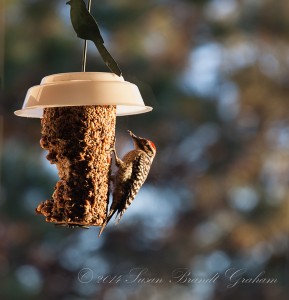
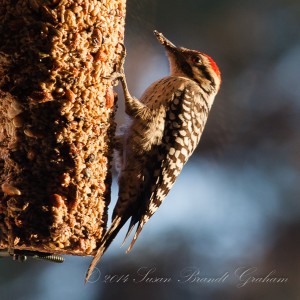
This male ladder backed woodpecker stopped in for a last snack before bedtime late in the day back in February.
Male ladder backed woodpeckerMale ladder backed woodpecker
‘Mermaid’s’ 2013 spring bloom was beautiful and amazing. She had more blossoms than ever before, and virtually no thrip problems. She won the American Rose Society’s Victorian Award at the Albuquerque Rose Society’s Spring Show, and Best of Show (Horticulture) at the Albuquerque Council of Garden Clubs Spring Show. But, more than the awards, she was just a joy to behold in the yard and on the patio.
Mermaid can be an aggressive grower, and the last major blooming branch was headed into the patio. This is not particularly desirable, because she has many very prickly thorns. People only half-jokingly say that she will attack anyone or anything that comes close. But, I left this branch until the last bloom was gone.
‘Mermaid’ on July 4‘Mermaid’ July 10, 2013
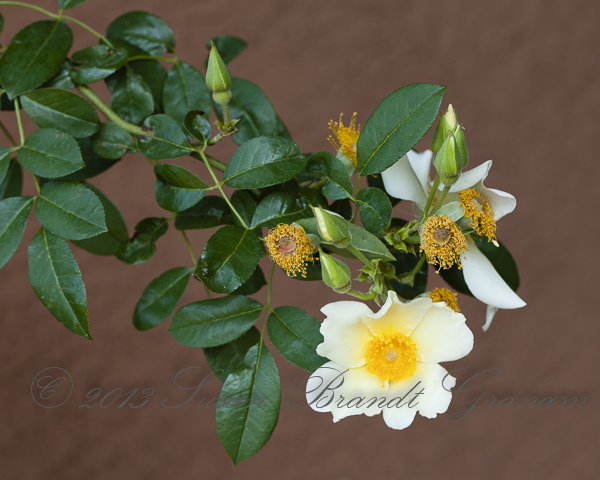
This rose is interesting to view, even when the gorgeous, creamy fresh blooms are gone. The stamens, bright golden with pollen when they are fresh, hold interest for long after.
Two-day-old center with stamens
‘Mermaid’ seems to be tolerating the Southwest’s extreme drought and summer heat very well. Although the first flush of blooms is now over, she is already putting out new growth everywhere!
New growth on ‘Mermaid’More new growth
At the rate this beauty grows, it will not be long until there are new blossoms!
The Old Garden Rose, ‘Mermaid,’ has long been one of my favorites. Regular readers here are aware of my love for this hybrid bracteata, introduced in 1918, which was also the year of my father’s birth. I planted the rose in his memory after he died.
Although known for being somewhat tender, the rose grew huge, climbing up the fireplace within a couple of years. After the 22 inch snow that fell in late December 2006, with thawing, freezing, thawing, freezing, etc., the weight of the ice tore ‘Mermaid’ and its trellis off the wall of the house, and it had to be cut off at ground level. I was sure it would not recover.
Recovery was very slow, but ‘Mermaid’ did recover to virtually her old self by the spring of 2010.
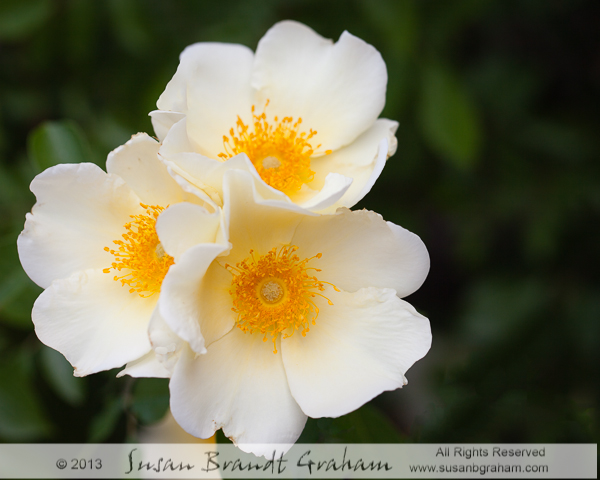
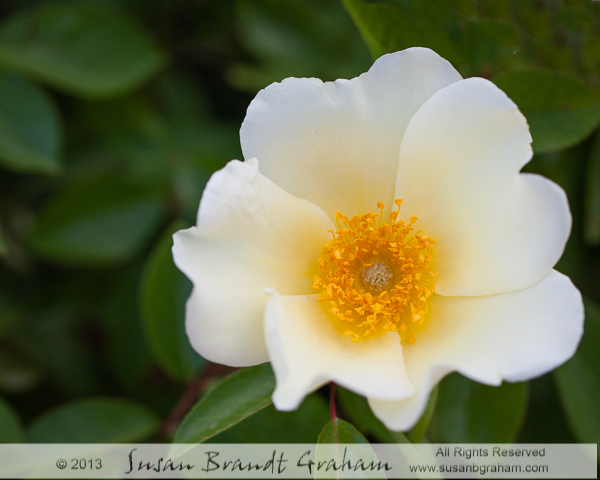
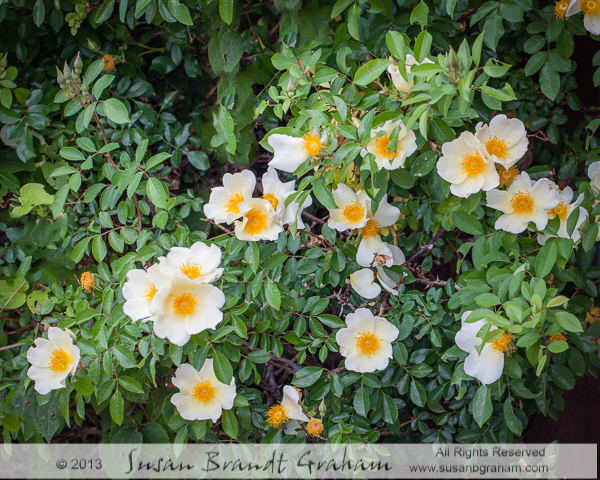
This spring, 2013, has been an exceptional year for ‘Mermaid,’ as the following images demonstrate:
Buds on ‘Mermaid’ in early springSpray of ‘Mermaid’‘Mermaid’Old Garden Rose, ‘Mermaid’
Is it any wonder that the Old Garden Rose, ‘Mermaid,’ is one of my very favorite roses? 🙂
———————————————————————————- Lauren Toth
Roses ‘Candy Cane’
ARS Duke Award
Roses ‘Candy Cane’
————————————————————————————
Pat Jeremia
Roses ‘Wild Blue Yonder’
ARS Princess Award
Roses ‘Wild Blue Yonder’
———————————————————————————— Pat Jeremia
Roses ‘Julia Child’
A Modern Arrangement
Roses ‘Julia Child’
———————————————————————————— Juanita Ortega
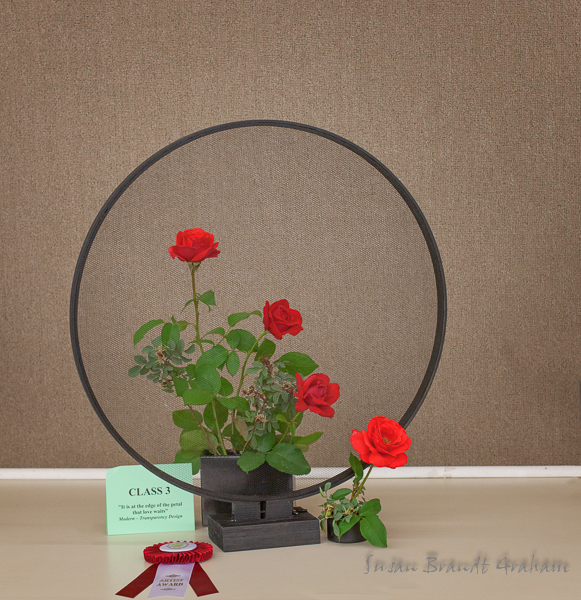
Roses ‘Fragrant Cloud’
ARS Artist Award
(This is a Transparency)
Roses ‘Fragrant Cloud’
———————————————————————————–
Juanita Ortega
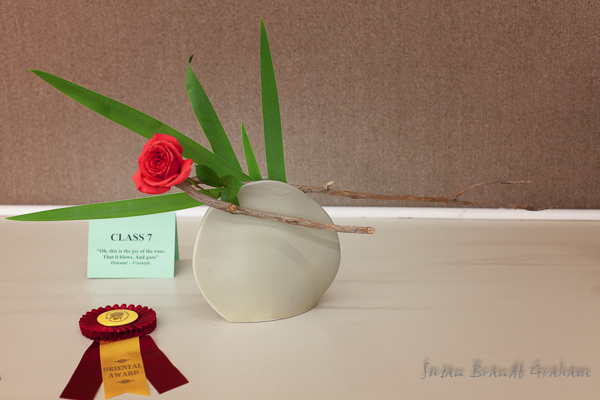
Rose ‘Fragrant Cloud’
ARS Oriental Award
Roses ‘Fragrant Cloud’
———————————————————————————–
Shirley Tetrault
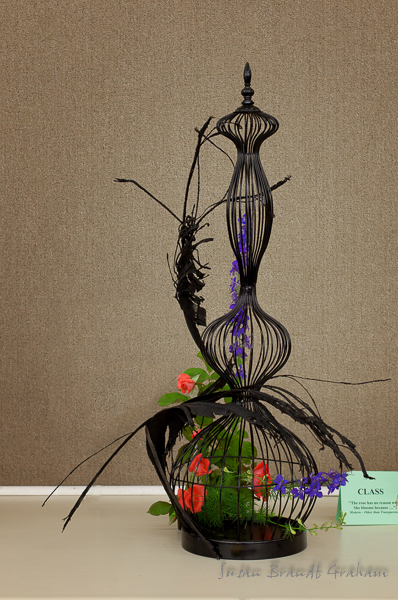
Roses ‘Tropicana’
A Modern Arrangement, specifically a Transparency
Rose ‘Tropicana’
———————————————————————————– Shirley Tetrault
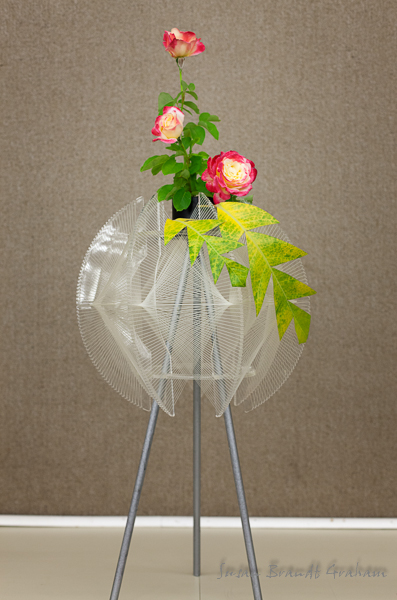
Roses ‘Double Delight’
A Modern Arrangement
Roses ‘Double Delight’
———————————————————————————–
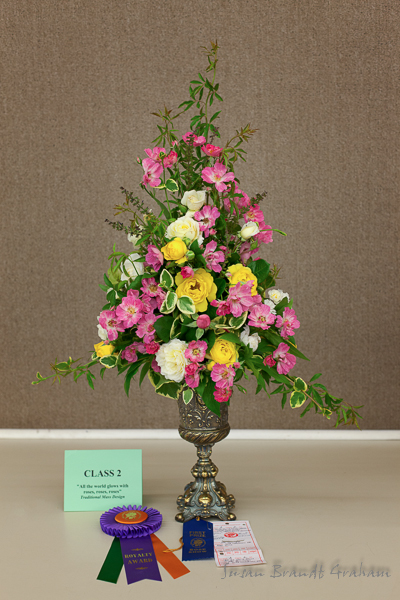
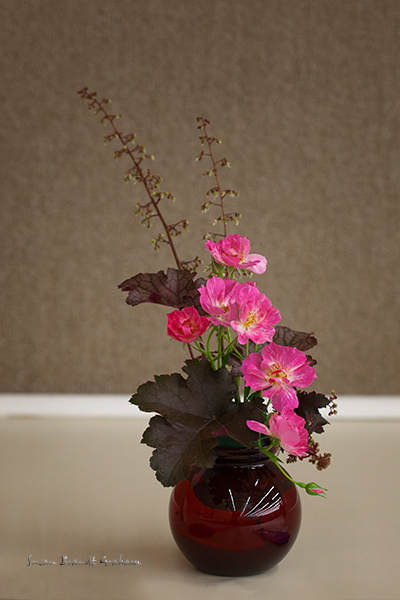
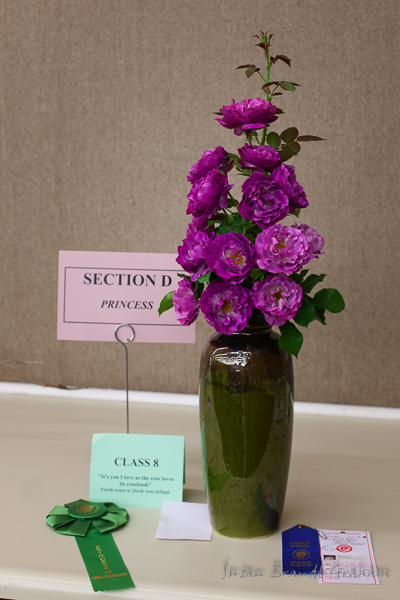
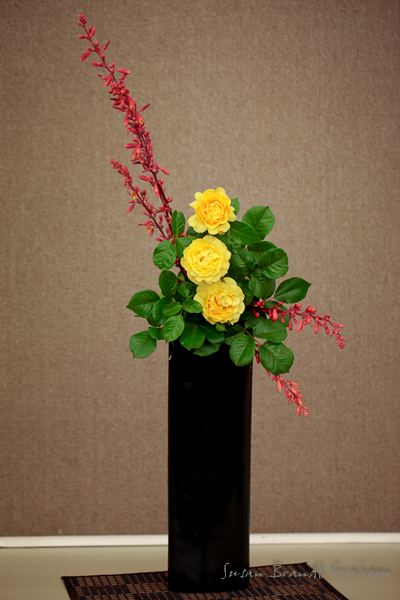
The rose arrangements in the 2013 Albuquerque Rose Show exhibited a remarkable range of creativity. Beyond that, the growing season had not been particularly good this spring, and the timing for the show was also not particularly good. That these and the other arrangers could put together these designs is a tribute to their skill and creativity.
On the Rose Arrangement page are images of arrangements at various shows in the Pacific Southwest District in the 2004-2007 time frame.