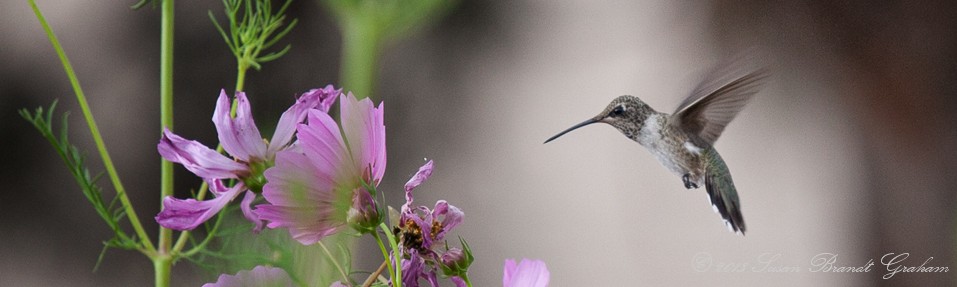
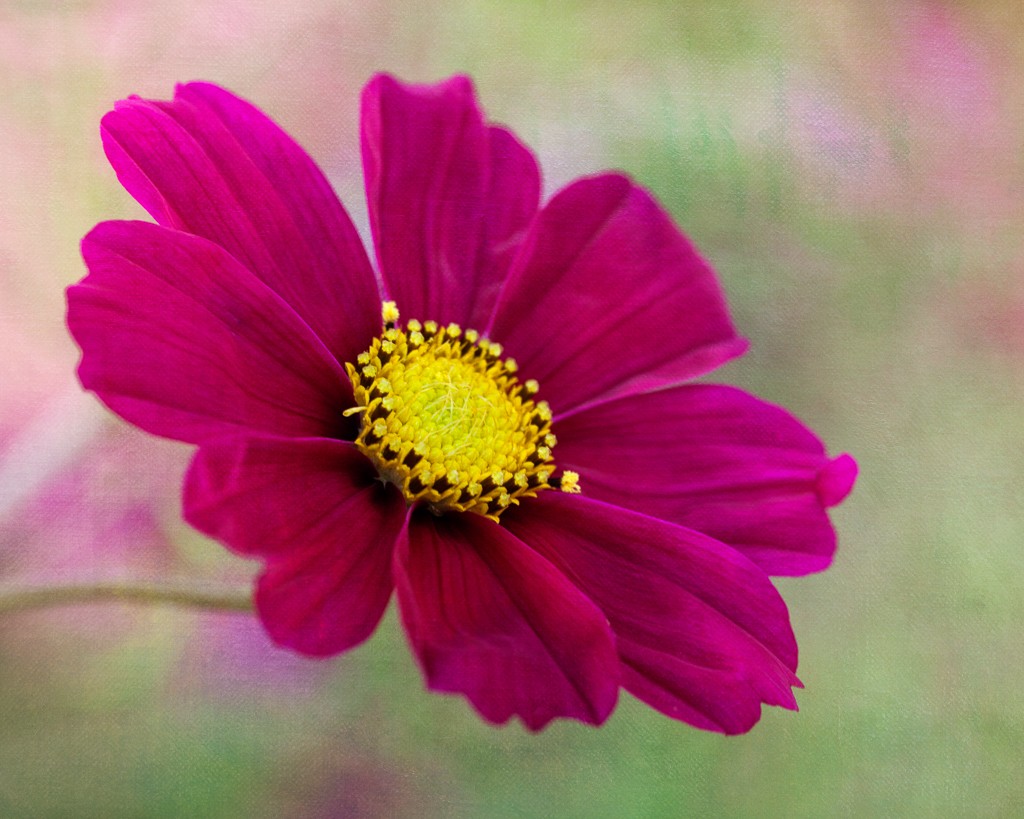
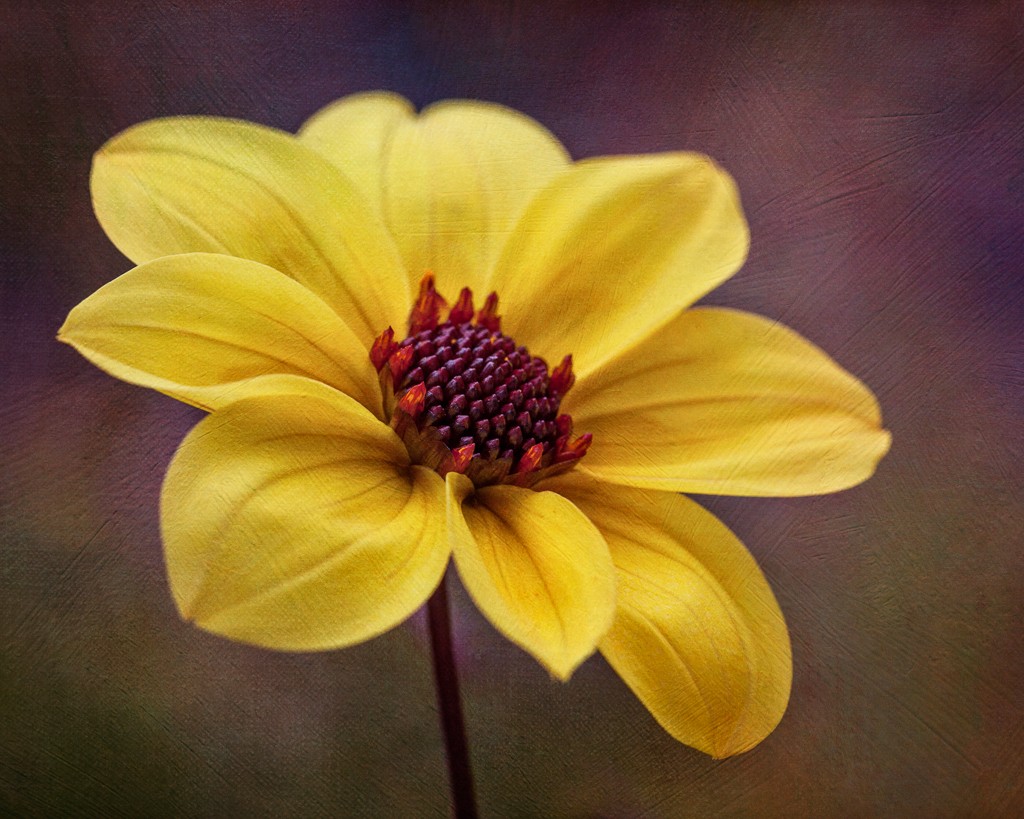
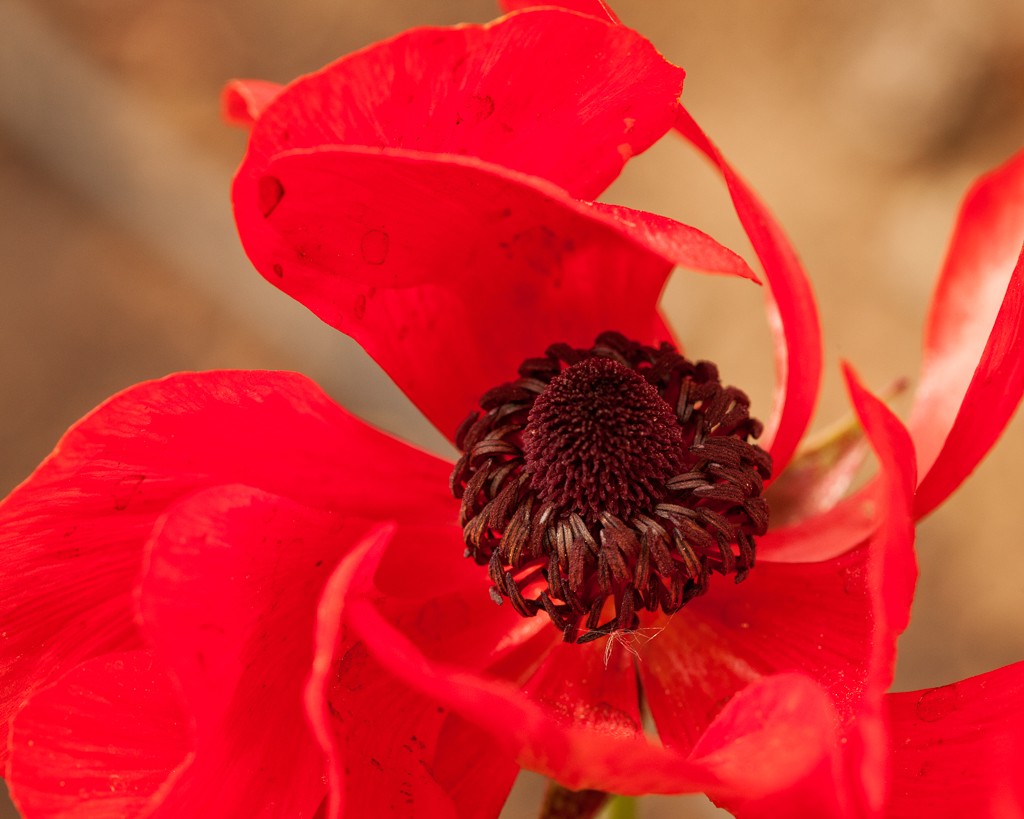
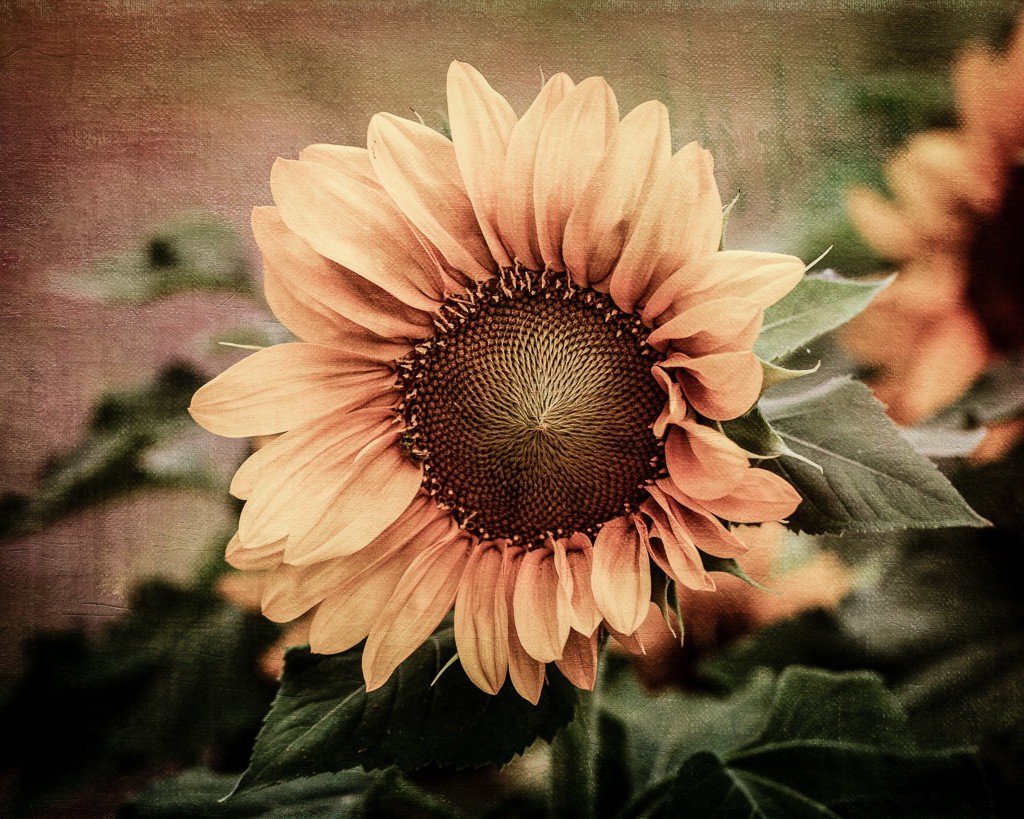
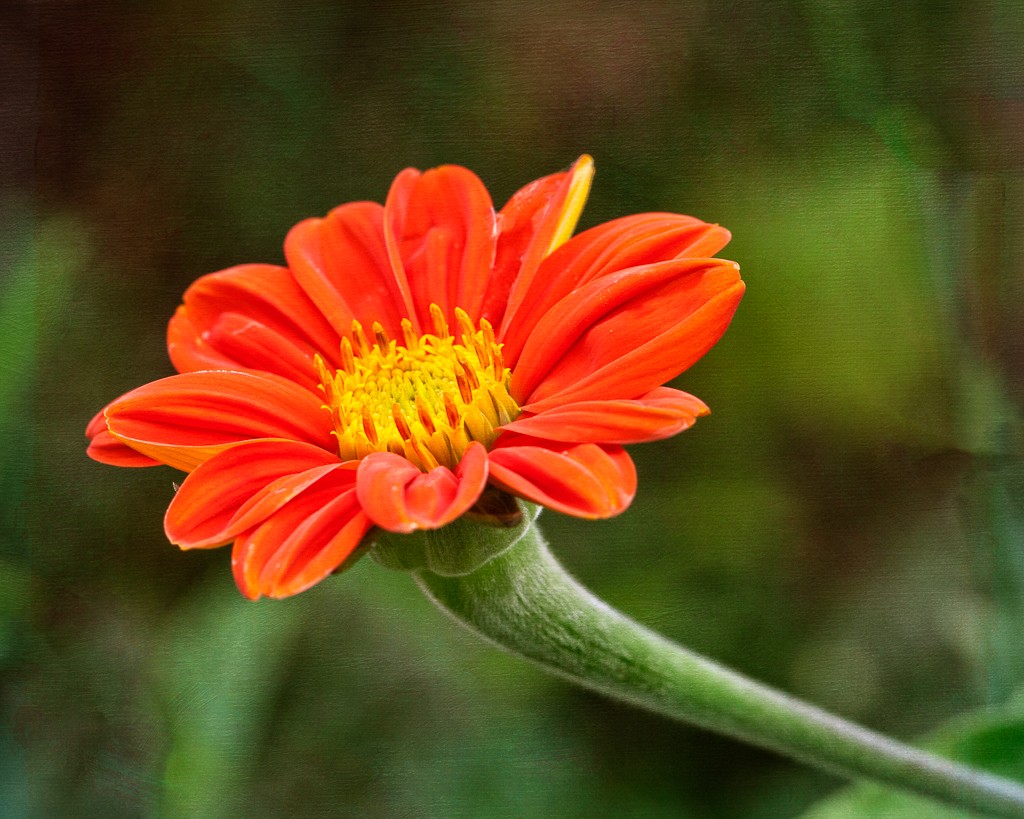
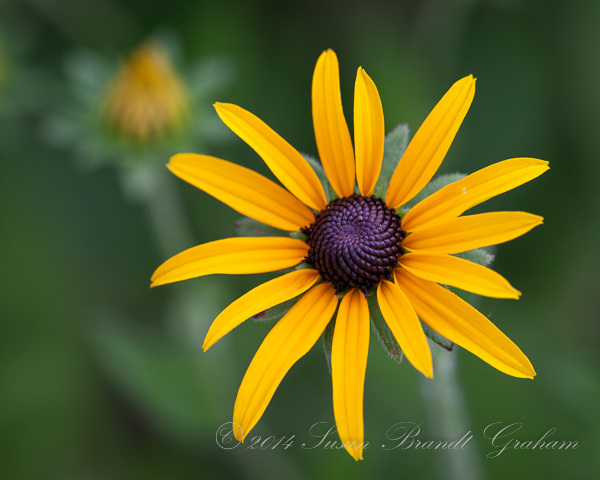
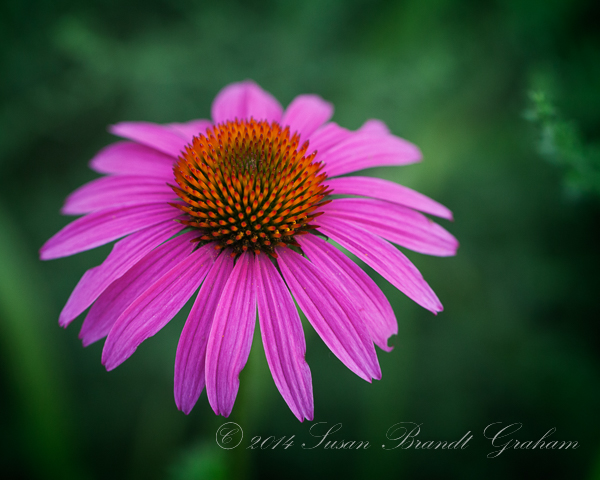
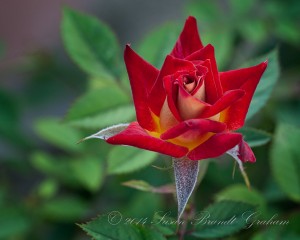
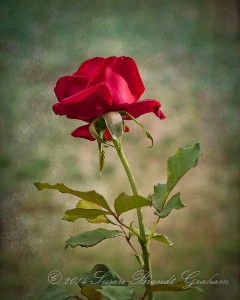
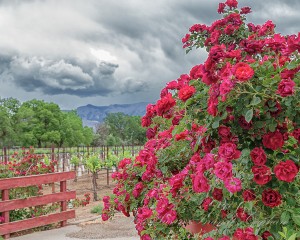
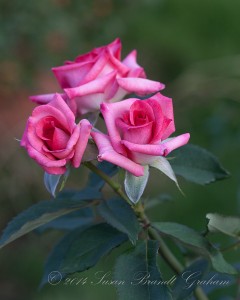
Summer Flowers – such a wide range of vivid colors with which to paint a landscape – or a container or two. These flowers are a reminder of summer. Here in the Southwest, we have had an exceptionally mild winter. This collection is especially for my friends in the Northeast, caught in the seemingly Winter of Endless Snow! Although the winter here has been mild, I’m ready for some summer flowers, too! 🙂
The flowers of summer shown here are easy to grow, and most attract butterflies and bees. Some are annuals, some are perennials, but all bring beauty. I always grow some of these, even though I grow more roses than anything else. Variety is good! Some of these are from my yard, some are from the home of friends Tim and Laurie, and some are from the Albuquerque BioPark.
Spring. Can it ever be too early? As the Northeast is buried under record total snowfall for a winter, Albuquerque has been enjoying a stretch of warm, sunny, windless days, with highs hovering around 70°F. It is glorious just to be out and enjoying what many – including me – would describe as “perfect weather.”
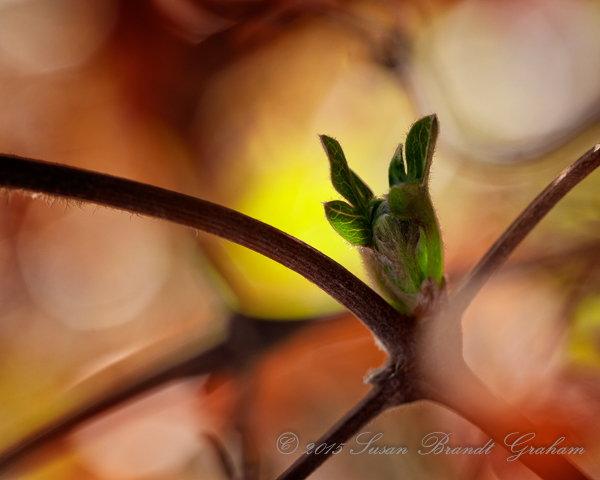
Clematis putting on growth in early February
Early growth on my clematis vine, growing as a companion plant with my rose ‘Mermaid.’
The question for a gardener, though, here in the High Desert, is, “can spring be too early?” That is a question that cannot be answered until late May! Why? The average last frost-free date here is in mid-April. If plants have already sprung forth with new growth, the tender new growth can die. One year we have a very late freeze in mid-May, and by that time the roses already had much new growth, buds, and some were actually blooming. That freeze killed back much of the new growth, and the Spring Rose Show of the Albuquerque Rose Society was pretty small that year. Along with the show, we had an Arrangement Judging School (taught by Lew Shupe and Gary Barlow!) attended by rose lovers from all over the Pacific Southwest District. The only roses that year I had to donate to the school for practice arrangements was ‘Betty Boop.’ Although that is the latest killing freeze I have experienced in my part of Albuquerque, I have not forgotten it!
Then there are the fruit trees. I have the dwarf peach ‘Bonanza,’ a fruit tree I truly love for many reasons. But, it is an early bloomer, and some years we get a freeze after the bloom and no peaches will be harvested that year. I grow it for many reasons besides the peaches, but I still prefer the years when peaches form. 🙂 I also have two pear trees: one that produces pears people like to eat, and the pollinator pear that produces pears the birds like to eat. Win-win for all! In years with late freezes, after the pears trees have bloomed, the tree with the fruit for people will not produce. I have to say, the pollinator pear is tough – the birds nearly always have their fruit produced.
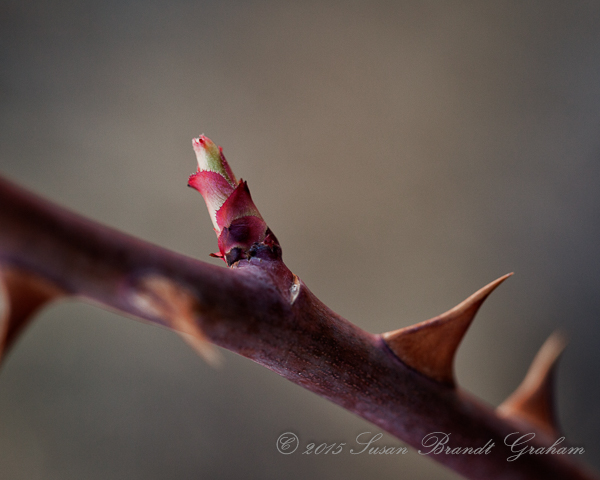
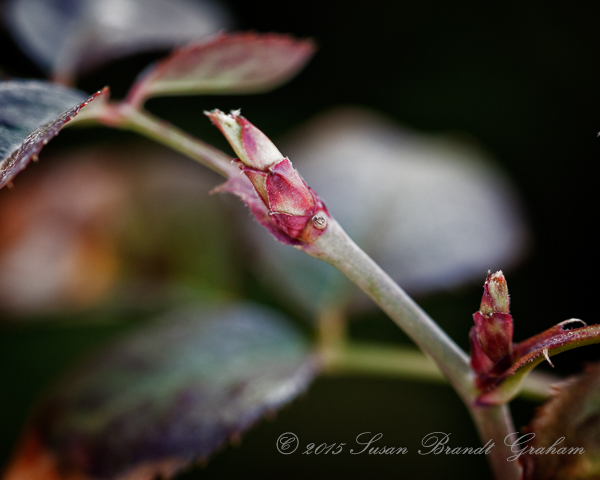
The grandiflora ‘Queen Elizabeth’ beginning to sprout out in early February
Rose ‘Betty Boop’ spontaneously producing growth in early February
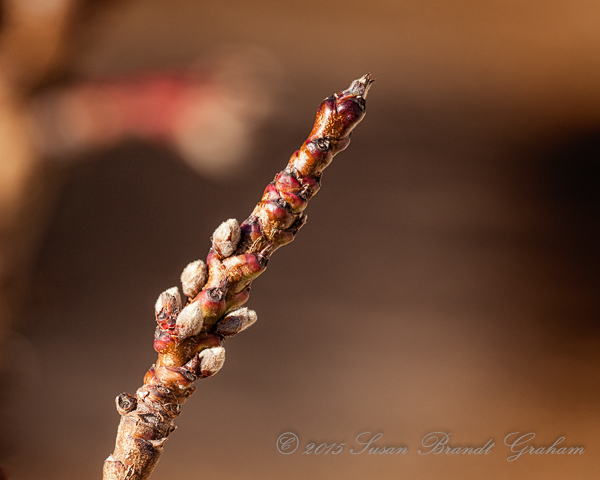
Swelling buds on dwarf peach ‘Bonanza’ in early February
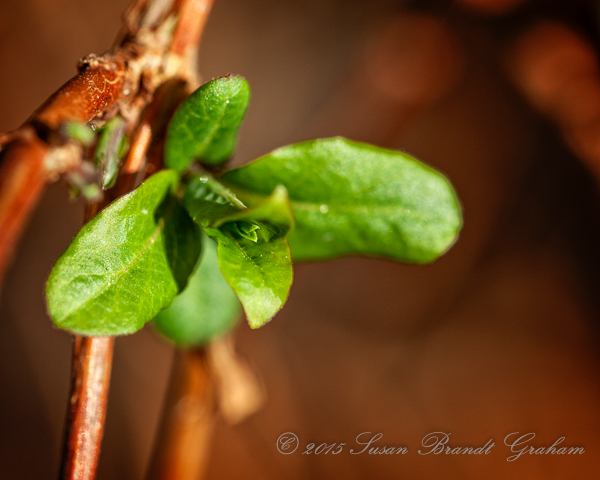
Honeysuckle with early spring growth
Clematis putting on growth in early February
Today and tomorrow are also supposed to be glorious days with highs around 70. I will be out enjoying the weather, and working in the garden to dig weeds and to do general clean-up. I could not ask for better weather. But behind all of that is just a bit of worry that the plants that are responding to the glorious weather now may also respond to cold weather and late freezes that can be part of life in the Southwest Desert. We won’t know if spring is too early until summer has arrived.
Hope for a World Without Blood Cancers; the Leukemia and Lymphoma Society
Although this post is off topic for what I usually post, the topic is important to me and I would like to share it with my readers.
Over the holidays a family member was diagnosed with leukemia, something for which I certainly was not prepared. The Leukemia and Lymphoma Society has been a helpful and amazing source of education, information, and support, from the early days in the hospital as the diagnosis was being established, up to today. Everything they provide to patients, family, and friends is free, supported by donations. There is not even a postage or shipping charge for the very helpful booklets, journals for patients, and other things provided.
If you shop for anything at Amazon.com and have not yet chosen a charitable organization from the Amazon Smile program, please consider signing up and designating LLS.
Although the percentage amount donated is small (0.5%), over time it can add up. And, every little bit helps. Nothing really changes as you shop at Amazon except a small amount of the sales (no extra cost to the buyer) goes to your designated charity.
Challenges of Gardening in the High Desert in February
February gardening in New Mexico? Well, that can be both a temptation and a challenge. Here in Albuquerque we are in the midst of a series of warm, sunny days without wind; perfect gardening weather!
The problem is, our average latest frost-free date is in mid-April, and I have seen killing freezes as late as May. When it comes to roses, for example, we tend not to prune until early April, and fertilize even later.
Fortunately, there is no shortage of things to do in the garden in February when the days are so wonderful for being out. I did some weeding; I need to do a lot more before Spring really does arrive! I removed some dead canes from some of the roses. This is not pruning; this is removing dead canes, plain and simple.
I couldn’t help looking over my own-root miniature roses in containers, in protected areas. Some of these have not been appropriately pruned in some time. They always start to leaf out in February, and by the time another 6-8 weeks go by, they are virtually impossible to prune. The canes become spindly, and the blossoms smaller and with less perfect form.
February Gardening – I took a chance with some of these own-root miniature roses, in containers, in protected spots, and pruned them. Several different outcomes are possible with this February Gardening action:
these miniature roses could look better than they have in years;
these miniature roses could die back to the ground with a really severe cold snap, but since they are own-root, most would come back, although it might take time;
the majority could look like they always have.
I want to stress that I did this only with own-root roses in protected areas, for this February gardening and rose pruning action.
This is not the only time I have gone against conventional wisdom in the pruning of some of my roses. Some of you know that I have the Old Garden Rose, ‘Mermaid,’ a Hybrid bracteata introduced in 1918. After its near-demise in the 22 inch snow (“The Big Snow of 2006”), I always cut it back in the fall, and then do not trim it again until after first bloom. It has rewarded me with lush spring growth and spectacular first blooms. It then blooms intermittently throughout summer and fall.
But, this is the first time I have pruned any roses as part of February gardening in Albuquerque. I’ll keep you updated on the result.
Miniature rose ‘Marriotta.’ On its own root, and grown by me in a container in a protected spot. Image from Fall, 2014.
Roses in Albuquerque in 2014 continued to suffer the effects of the prolonged drought in the Southwest. Albuquerque has devised a very effective way to encourage residents to reduce their use of water. We do not (yet) have formal rationing for most private users. However, the water bill is on a sliding scale based on use. The more water a person uses, the higher the rate becomes. Let me assure you, that is a very effective way to encourage people to be aware of their use of water.
I have decreased the number of roses I am currently growing. The ones I have kept are ones that mean something special to me, each for different reasons. I have spent more time photographing the roses I do have (as well as many other things). The roses on this page are roses I grew (with the exception of the image of Dr. Huey, taken on the First Annual Dr. Huey Rose Tour of the Corrales Rose Society, and the back cover of the 2014 American Rose Annual) and photographed.
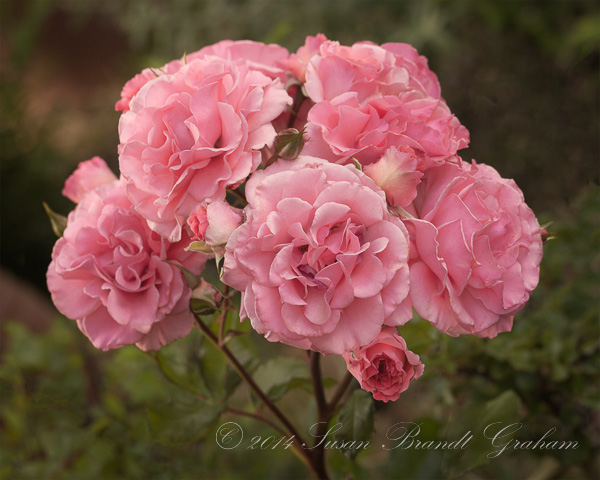
Spray of rose, ‘Dream Weaver.’ Image awarded ‘Queen’ at the ARS Fall 2014 National Convention.
“Gemini” – Creative Interpretation
King of Show in Photography, ARS 2014 Fall National Convention
Best of Show in Photography, Albuquerque Spring 2014 Rose Show
Spray of ‘Dream Weaver,’ Queen of Show in Photography at the 2014 ARS Fall National
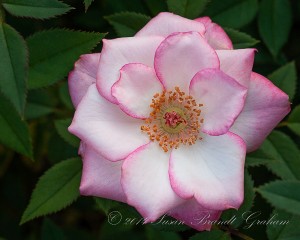
Miniature rose, ‘Child’s Play,’ fully open, stamens showing
Blue Ribbon and Best of Section, Fully Open Roses, 2014 ARS Fall National Rose Show and Convention
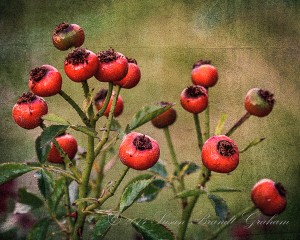
Hips of Miniature Rose Yoyo
Blue Ribbon and Best of Section Rose Potpourri
Rose Gemini
Best of Section, Albuquerque 2014 Spring Rose Show
Blue Ribbon in Photography, ARS 2014 Fall National Rose Show and Convention
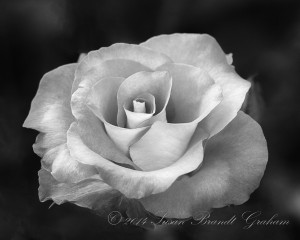
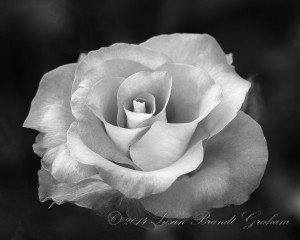
Best of Black and White Challenge Class, Albuquerque 2014 Spring Rose Show
Blue Ribbon, ARS 2014 Fall National Rose Show and Convention
Shrub Rose Distant Drums
Best of Theme, “The Artistic Rose,” Albuquerque 2014 Spring Rose Show
Miniature Rose, ‘Child’s Play’
Blue Ribbon, ARS 2014 Fall National Rose Show and Convention
The wonderful rose, ‘Gemini,’ shown here fully open with stamens showing
Blue Ribbon, ARS 2014 Fall National Rose Show and Convention
Old Garden Rose, Hybrid bracteata 1918
Mermaid
Rose Mermaid
Front cover, 2014 American Rose Annual
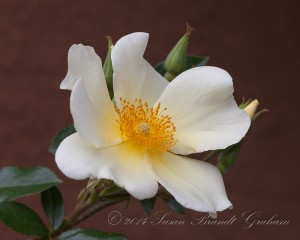
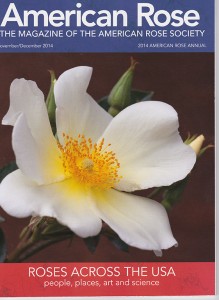
Back Cover, 2014 American Rose Annual
“Roses in Red, White, and Blue American Landscape”
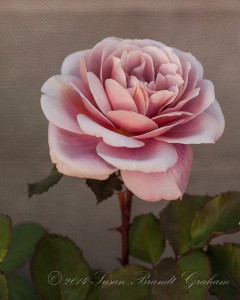
A stunning miniature rose with distinctive reflex petals – Glowing Amber
Blue Ribbon at the ARS 2014 Fall National Rose Show and Convention
Veterans’ Honor – Creative Interpretation
Blue Ribbon, ARS 2014 Fall National Rose Show and Convention.
Honorable Mention at the small 2014 Santa Fe Rose Show, highlighting once again the need for standardized judging guidelines and especially ARS accredited rose judges (and especially judges chairs) who also possess recognizable photography credentials.
Rose Dr. Huey, often used as root stock for other roses grown for blooms.
Blue Ribbon, ARS 2014 Fall National Show and Convention.
Honorable Mention at the small Santa Fe show, once again highlighting the need for standardized judging guidelines, and judges (especially judges chairs) who are ARS accredited judges with recognized photography credentials.
Spray of miniature rose, Foolish Pleasure
Blue Ribbon, ARS 2014 Fall National Rose Show and Convention.
Third place at Santa Fe’s small local show, highlighting the need for standardized guidelines and judges (especially judges chairs) who are ARS accredited judges and who are also photographers with recognized credentials.
Rose Dream Weaver
Best of Class, Rose Sprays, at Albuquerque 2014 Spring Rose Show
Rose Leonidas
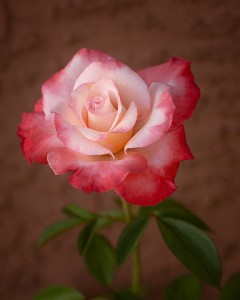
This hybrid tea has very distinctive form and colors.
I especially appreciate that the judges in this national show used the Score Card developed when I served as the first Chairman of Photography in the Pacific Southwest District for judging the rose photographs. When I began that task in the PSWD, it was clear that some system and uniformity was necessary. To see the Score Card used at the national level is very gratifying to me. Much less gratifying is overhearing judges instructions being given at some of the local shows in the Pacific Southwest District in 2014, where the instructions given were one person’s opinion with no reference to the Score Card, although the Score Card was printed in the Schedule. That will change over time, as those judging rose photographs will be required to be accredited rose judges, as in all other portions of rose shows today.
The images in the 2015 Albuquerque Rose Calendar were the winners at the 2014 Spring Rose Show. I am pleased that five of the twelve images were my winners in that show, including “Best of Show.”
Best of Show – Gemini – from the class “Rose Art”Best of Theme – The Artistic Rose – Distant DrumsBest of Black and White Challenge – LeonidasBest of Section – The Rose – GeminiBest in Class – Rose Sprays – Dream Weaver
For my friends in the Albuquerque area, I recently found out that the calendars are available in a variety of places:
The Garden Shop, Albuquerque Garden Center
Bookworks
Figments Tea Shoppe
Jackalope Pottery
Jericho Nursery
Osuna Nursery
Given that one month of 2015 has already passed, I don’t know if a discount is being given on the calendars, but it never hurts to ask!
The wall calendar is priced at $10.00, and a smaller perpetual calendar is priced at $5.00. All proceeds go to the Albuquerque Rose Society.
The Observer, The Observed with “Spontaneous Poem from a Treetop Crow” by Jim Stallings
The joys of gardening include much more than just plants, no matter how much we love our plants for the beauty they provide. The joys also include the variety of wildlife attracted, and that is nowhere more true than here in the desert Southwest. I love the variety of birds, bees, butterflies, and so forth that are attracted to my yard.
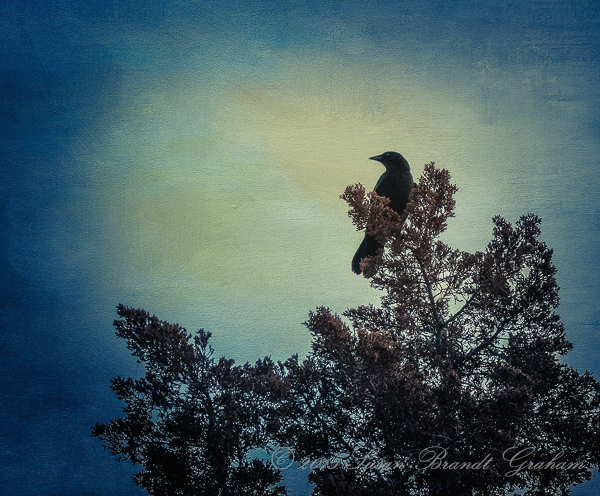
In early January I was out photographing a cloud bank rolling over the Sandia Mountains, with a storm predicted to follow it. Suddenly, a “murder” of raucous crows appeared, seemingly out of nowhere, and they perched briefly in a neighbor’s tree, very close to the house, meaning no decent images. This one crow, however, stayed behind, briefly, and seemed to pose for this one image.
The Observer, the Observed
This was at a time when my family was dealing with some bad news. In response to that, and seeing this image of the crow, Jim wrote this poem (a gift of encouragement to my family), and I asked if I could post it here.
Spontaneous Poem from a Treetop Crow
In the lofty life of a wise old crow
Swaying in the topmost backyard branches
Like a magical clock counting down mortality’s coil,
May it not be in some secret way
We the awed observers
Have all along been honored by a wiser watcher?
Dream Weaver Spray – Queen of Show in Photography at ARS 2014 Fall National
Spray of rose, ‘Dream Weaver.’ Image awarded ‘Queen’ at the ARS Fall 2014 National Convention.
‘Dream Weaver’ is a rose classified as a Climbing Floribunda. It can produce beautiful and large sprays.
This photograph of a Dream Weaver spray won Queen of Show in the Photography portion of the American Rose Society 2014 Fall Convention and Show. In roses, ‘Queen’ is the equivalent of ‘Best in Show.’
Many thanks to the judges for awarding this image. I especially appreciated that the judges in this national show used the Score Card for judging rose photographs developed when I served as the first Chairman of Photography in the Pacific Southwest District. When I began that task in the PSWD, it was clear that some system and uniformity was necessary. To see that used at the national level is very gratifying to me. Much less gratifying is overhearing judges instructions being given at local shows in the Pacific Southwest District where the instructions are one person’s opinion with no reference to the score card. But, that will change when only accredited rose judges are allowed to judge the rose photographs. Change may be slow, but it will happen.
One of the joys of gardening is attracting birds, butterflies, dragonflies, and other beautiful things to the yard. They like the plants, and really appreciate it if you add some water year around and another source of food, especially in the winter.
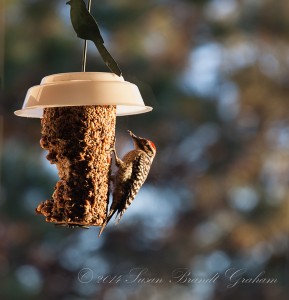
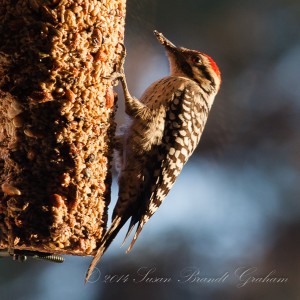
This male ladder backed woodpecker stopped in for a last snack before bedtime late in the day back in February.
Male ladder backed woodpeckerMale ladder backed woodpecker
A Photography Seminar in two parts – a morning session and an afternoon session – has been organized by Sally Long of the San Diego Rose Society for the upcoming American Rose Society National Convention and Show. This promises to be an exciting day for rosarians interested in photography. Some of you will recall the Photography Seminar Sally Long and I, along with photographer Pat Berrett, presented in Albuquerque in 2012, and the excitement that that seminar generated. That seminar was aimed largely at teaching judges how to use the PSWD Photography Guidelines as they had been developed to that point. (For PSWD Guidelines as developed to 2010, see my article in the 2010 ARS Rose Annual, Lew Shupe, editor.)
The 2014 ARS Photography Seminar will be held on Friday, May 9. This seminar will be aimed toward exhibitors of photography. The morning session begins at 9:00 am and runs until noon, featuring two speakers. Curtis Aumiller, ARS Photography Chairman, will discuss some of the benefits of incorporating rose photography at the local, district, and national levels; some technical aspects of rose photography; and progress towards standardization of guidelines for rose photography in ARS shows. I will be the second speaker of the morning, presenting “Floral Photography 101,” an overview of some of the basics of floral photography, as well as some problem areas I have seen as a judge (arrangement photographs, for example, seem to present exhibitors with a variety of problems. We’ll discuss some of those, and ways to overcome them).
The afternoon session, from 1:30 to 4:30, will begin with Bill Farmer discussing white balance, followed by Sally Long discussing macro and close-up photography. After that there will be a variety of break out sessions, from which you may choose those you would find most useful for you. I will have a hour-long session, “From Image in Your Eye to Finished Print,” covering ways to make sure your finished print matches what you photographed and what you saw on your computer screen.
Watch this page for more details as they are posted.
General information for the entire convention can be found here. Registration information can be found at that link, as well. Registration for the overall convention is discounted at least through March 10. The Photography Seminar is $20.00 for the both sessions, or $10.00 for the morning session and $10.00 for the afternoon session.
The Photography Seminar should be both fun and educational, and I hope to see some old friends and make some new ones there.