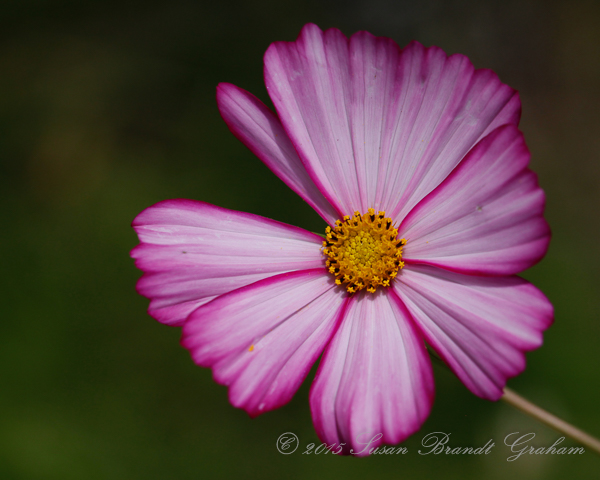
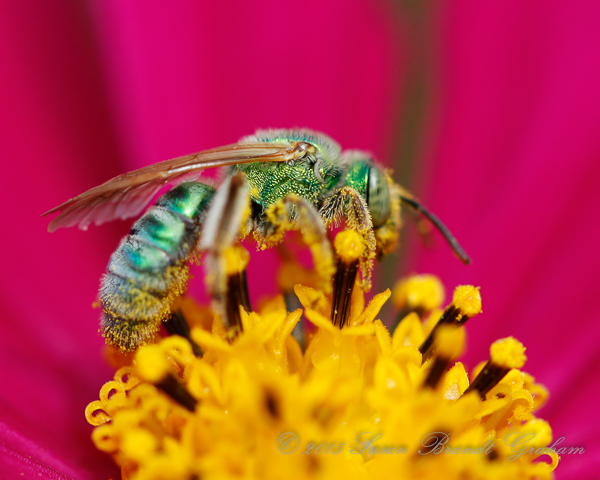
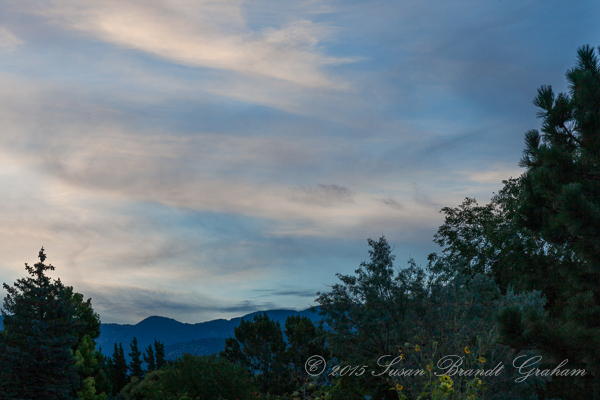
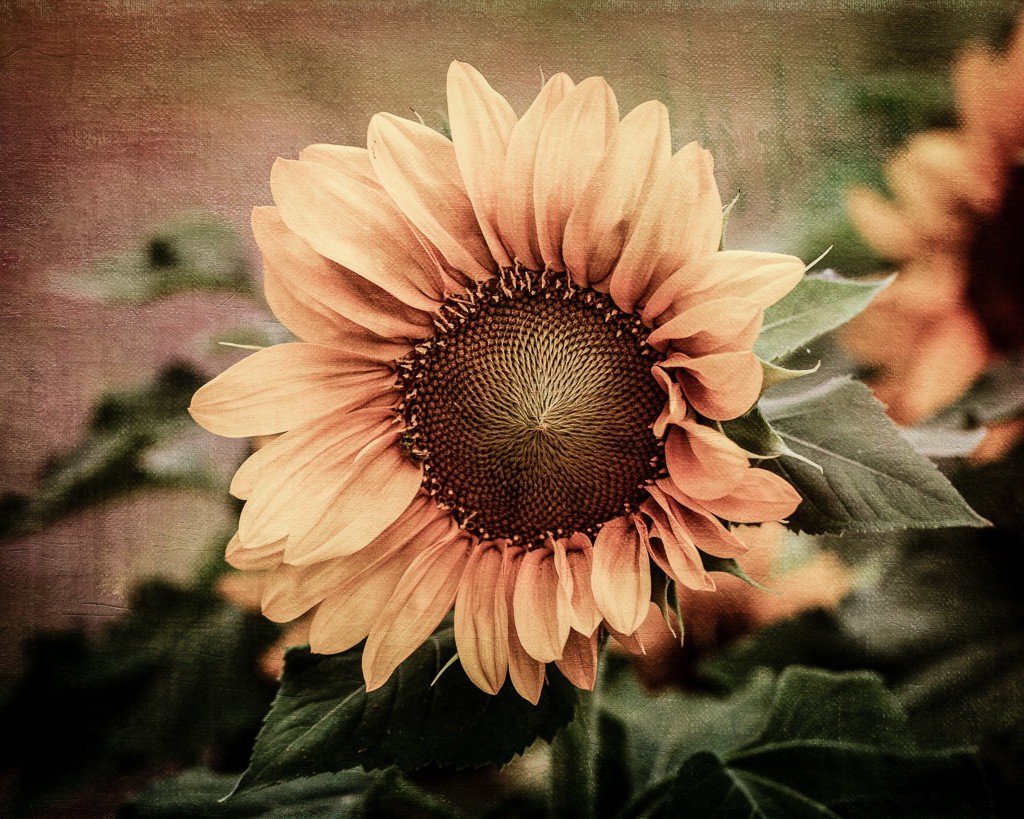
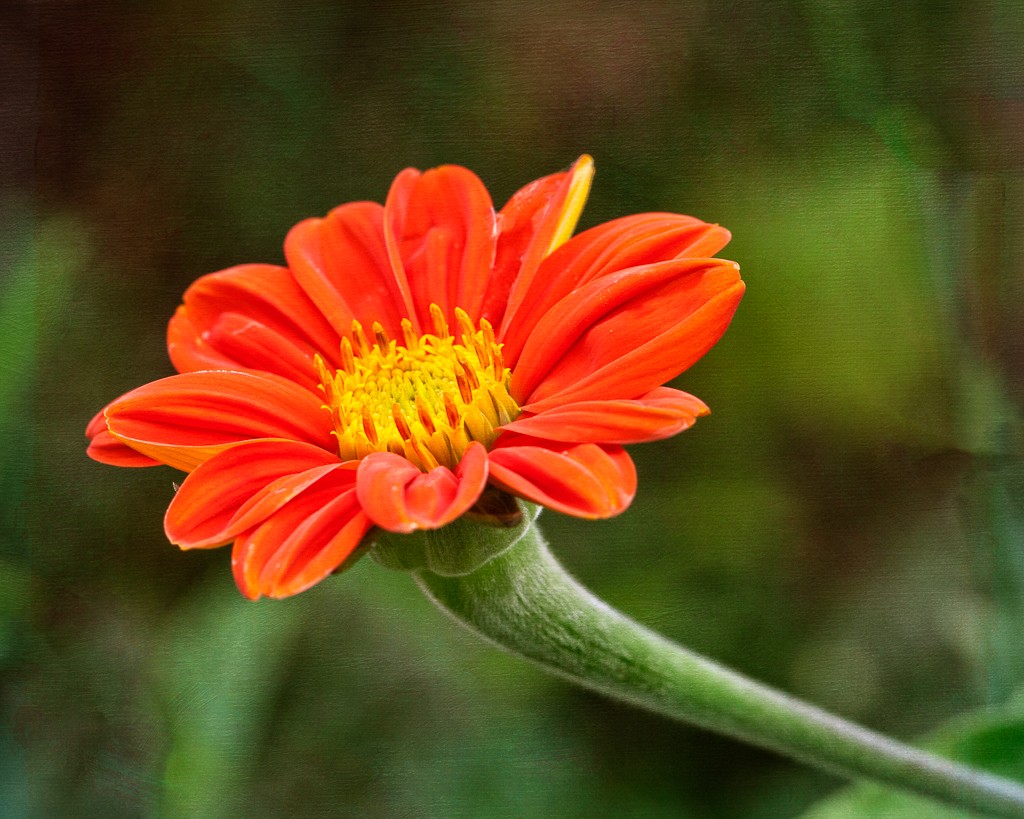
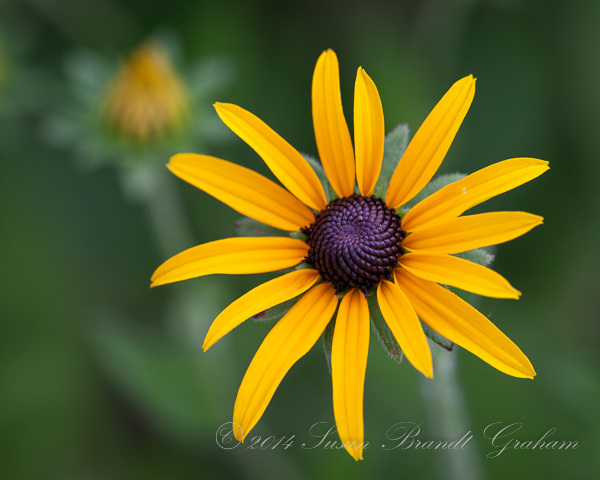
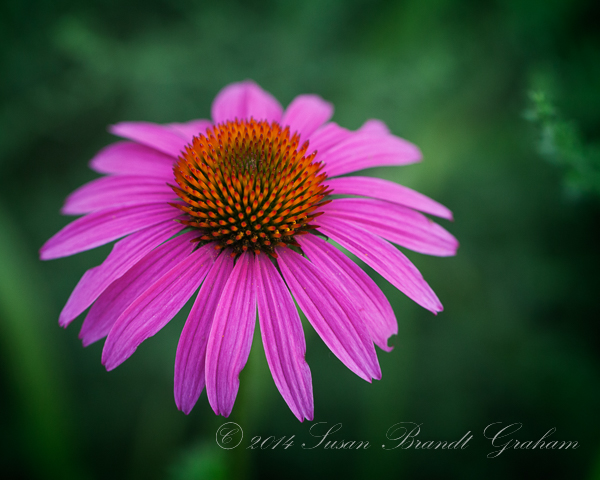
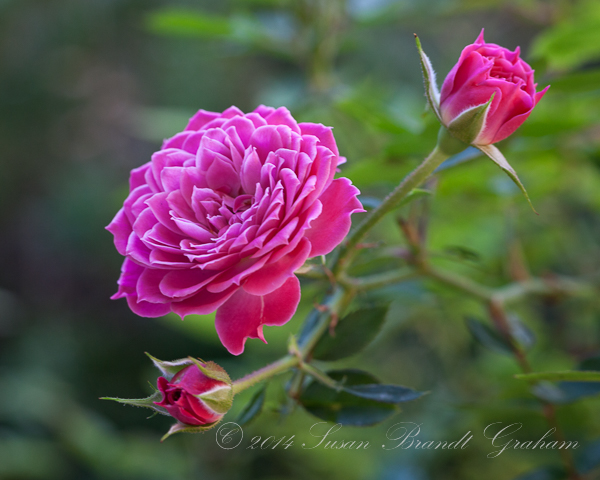
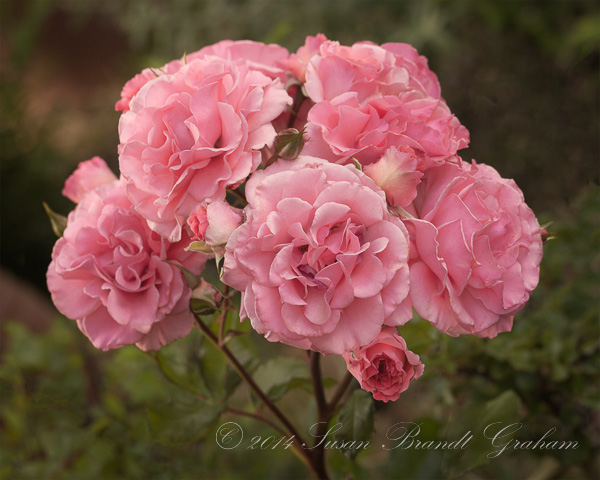
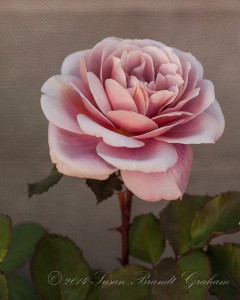
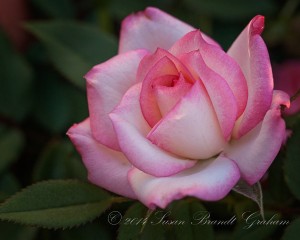
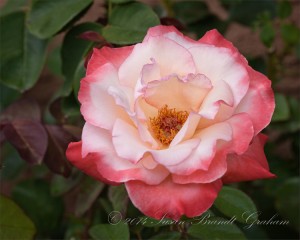
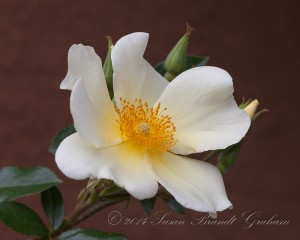
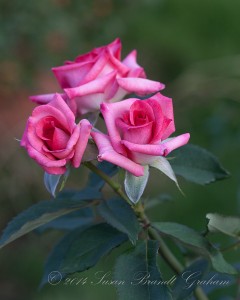
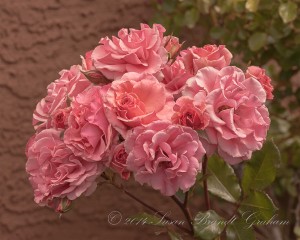
Photo challenge to myself – go photograph some things you frequently photograph, the way you frequently photograph them. But, use only the jpg, with no editing other than cropping and applying a copyright watermark.
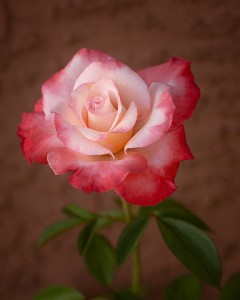
Recently some photographer friends and I had one of the very common discussions floating around since the advent of digital photography. Is editing a raw file (digital negative) kind of “cheating,” or absolutely necessary to realize the full potential of digital photography? Anyone who knows me at all knows that developing my own raw files is something I do as part of my standard workflow, and overall will continue to do. It is one of the things I really love about digital photography!
The discussion with friends, however, made me want to go out and see what I would get with jpg rather than raw files, with the only editing being cropping to an 8×10 ratio rather than an 8×12 ratio, and the application of a watermark.
These are the results.
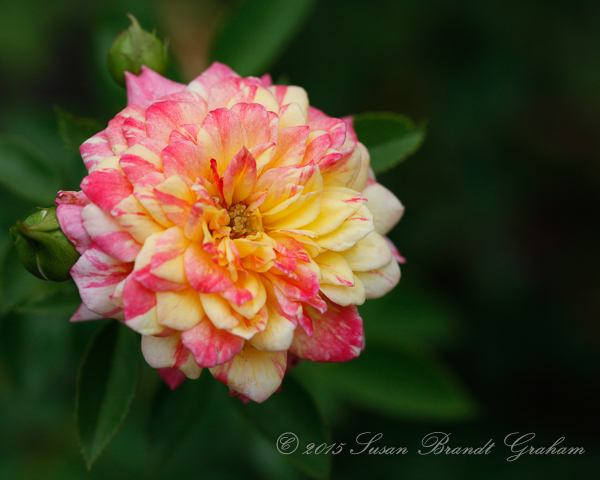
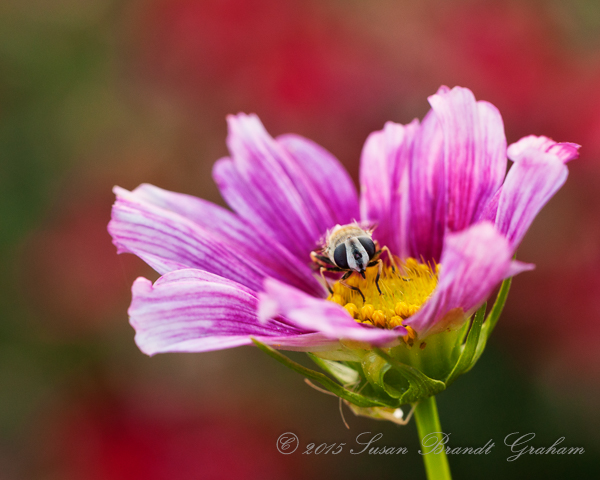
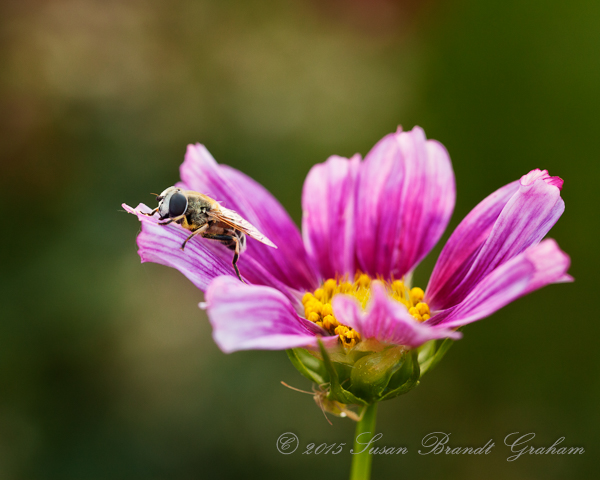
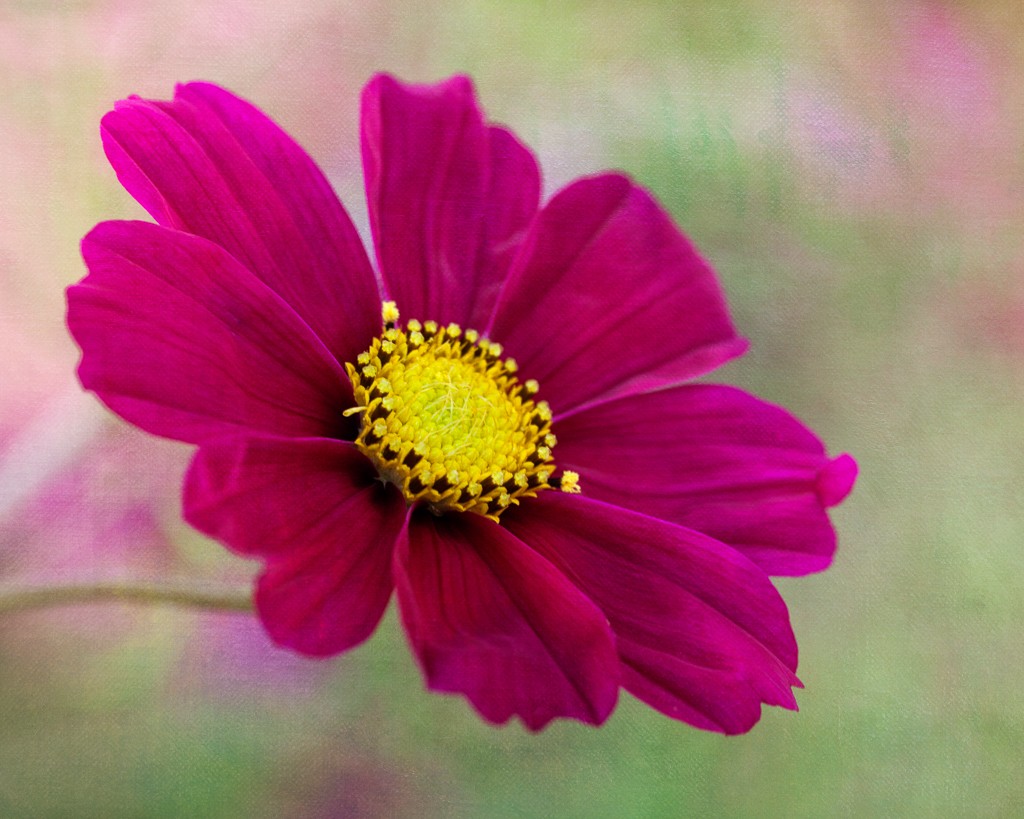
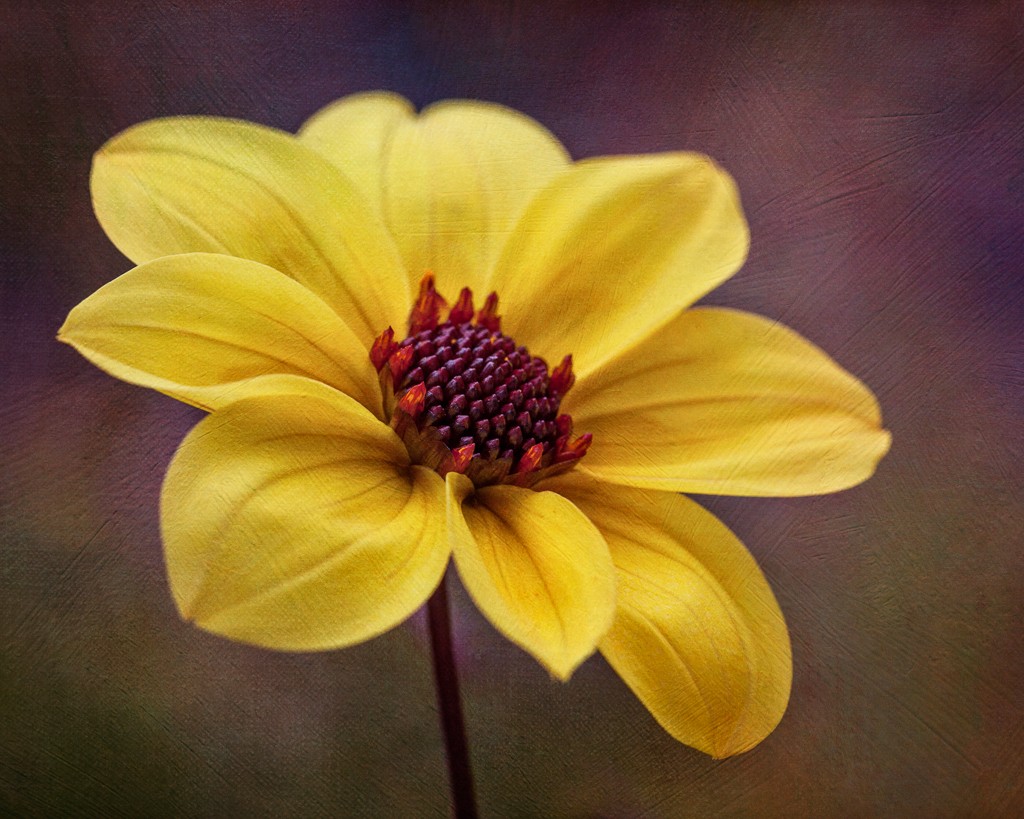
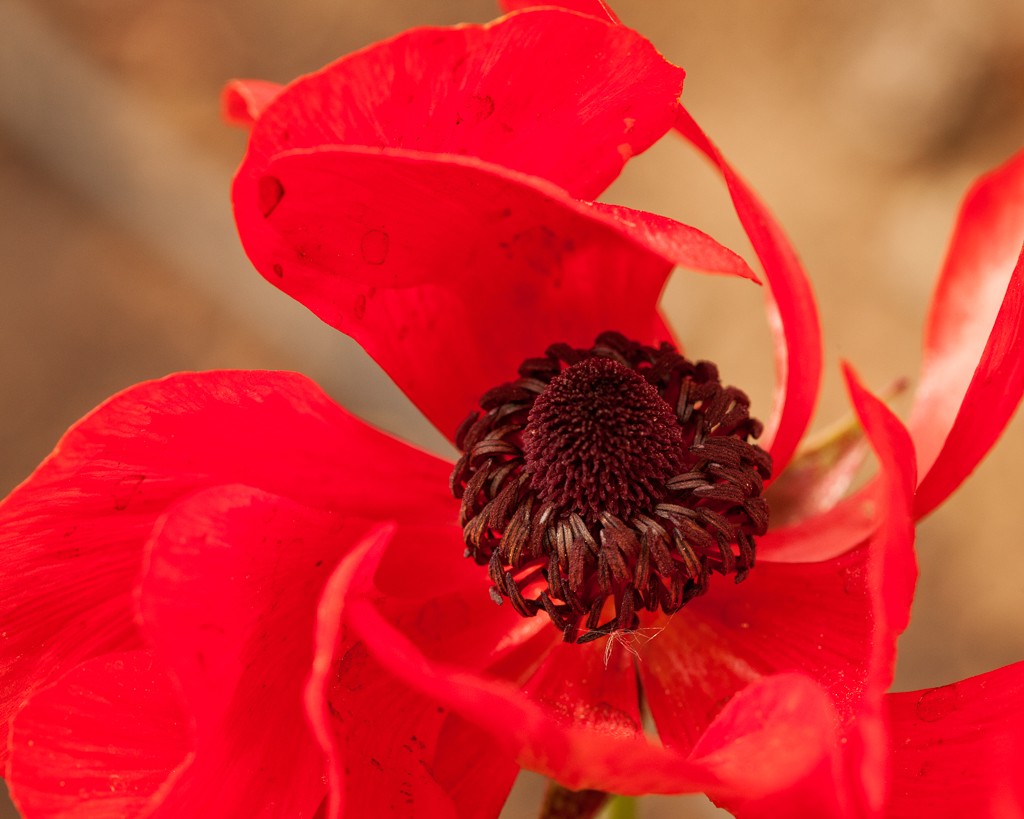
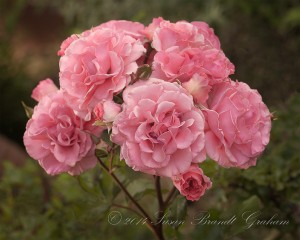
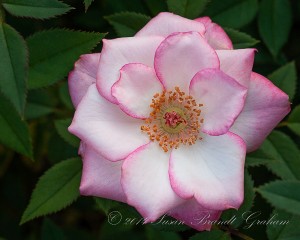
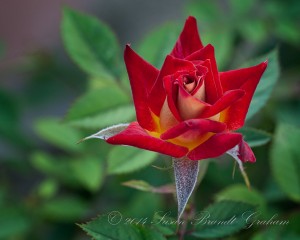
Miniature rose, ‘Climbing Earthquake’Cosmos, with “imperfect beauty”Green bee with pollen, on cosmos
The challenge to myself was a fun exercise, but I am a confirmed “photograph in raw” person, just because I truly enjoy the editing process.
LightStalking has a good discussion of the benefits of using raw files rather than jpgs.
This July day dawned clear, and while there were clouds, the sunrise did not have the oranges and pinks seen in recent days. Nevertheless, in its own way, it was typical of the high desert. ‘Blue Hour’ was definitely blue!
July Sunrise
Here in mid-July, the roses are between bloom cycles. But, other flowers are blooming.
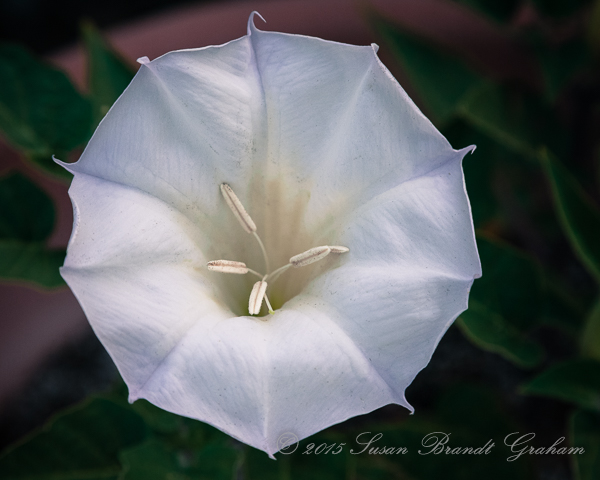
Datura is an intriguing plant. It grows wild throughout the Southwest. The bloom is short-lived, opening at dusk and generally wilting as the sun comes up. This morning, however, the cooler temperatures and abundant moisture of this monsoon season so far, a couple of blooms remained relatively fresh for an hour or two longer.
Datura
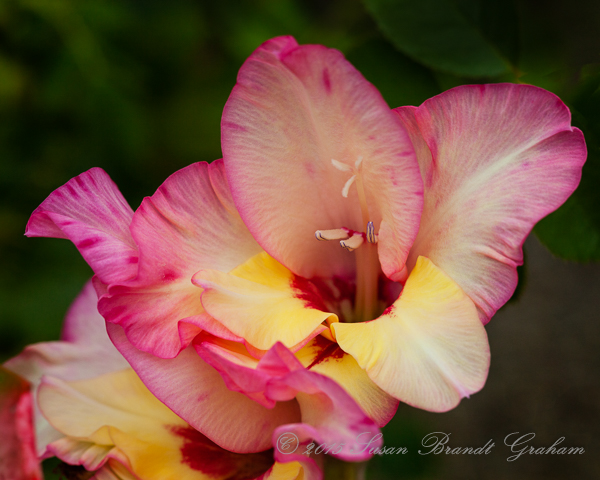
One of the brightest flowers in my garden is a gladiolus that generally starts to bloom around July Fourth. This year it began a little earlier, and this is one of the last flowers until next year. I love the vibrant colors!
Gladiolus
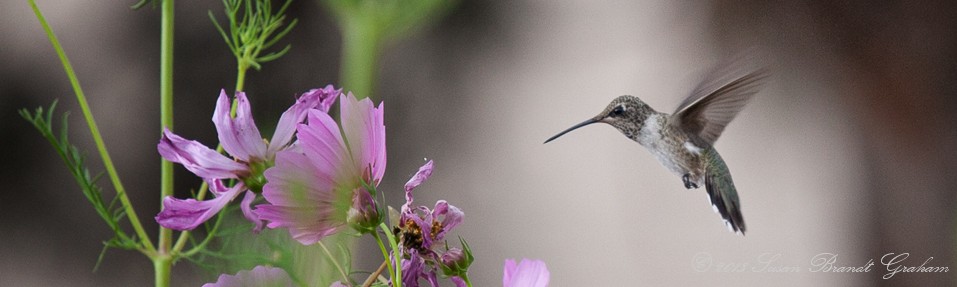
The black chinned hummingbirds have been here since mid-April, and will remain into September. But within the coming week, here in Albuquerque we will begin to have a variety of migrating hummingbirds. Where I am, the rufous is the most abundant late summer migrant, but I have seen calliope and other hummers that are not seen frequently. Late summer can be very interesting at the hummingbird feeders.
This July day, however, was very calm and peaceful. A beautiful day in the garden.
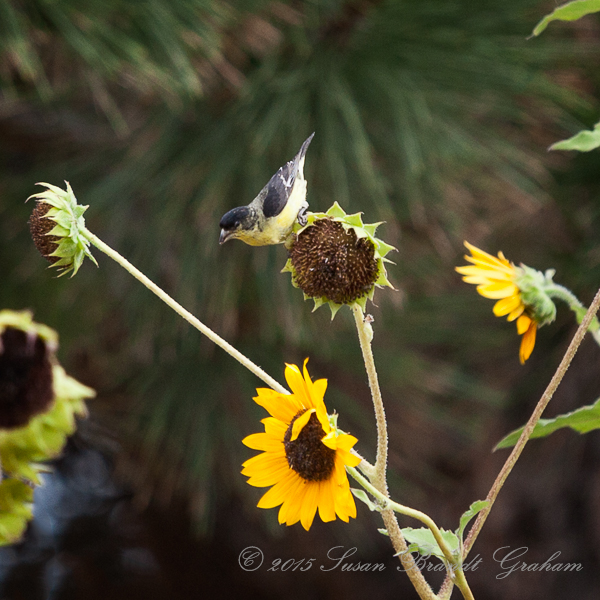
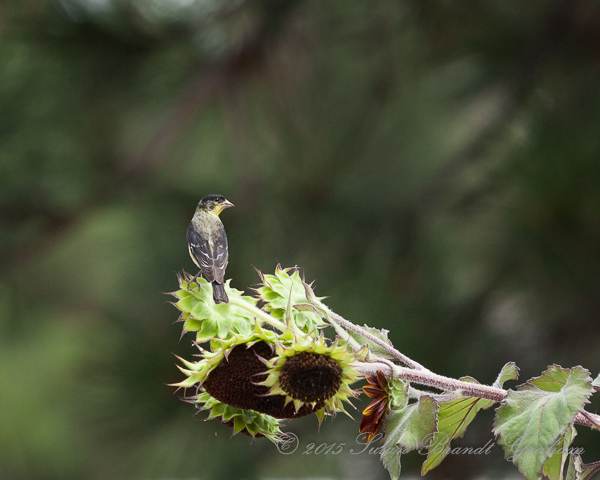
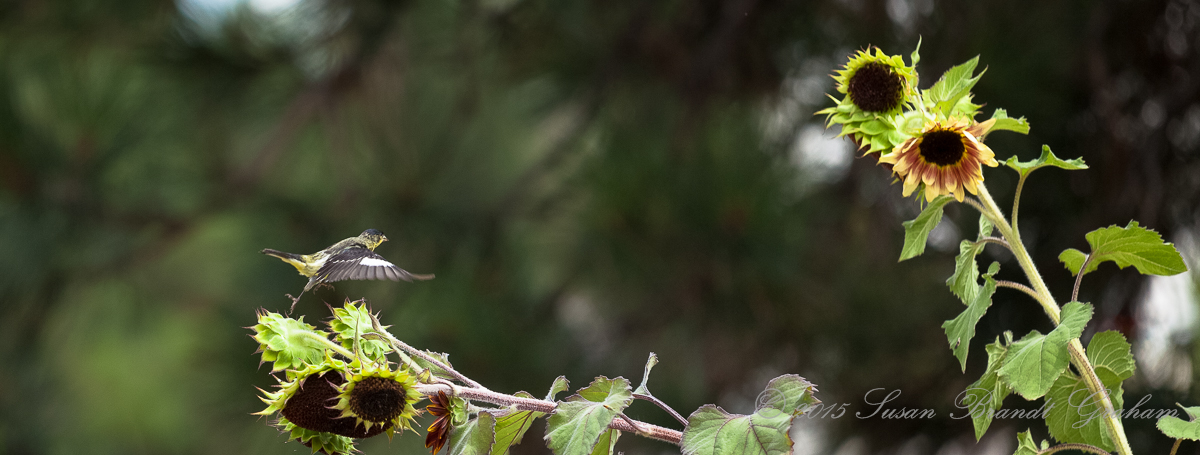
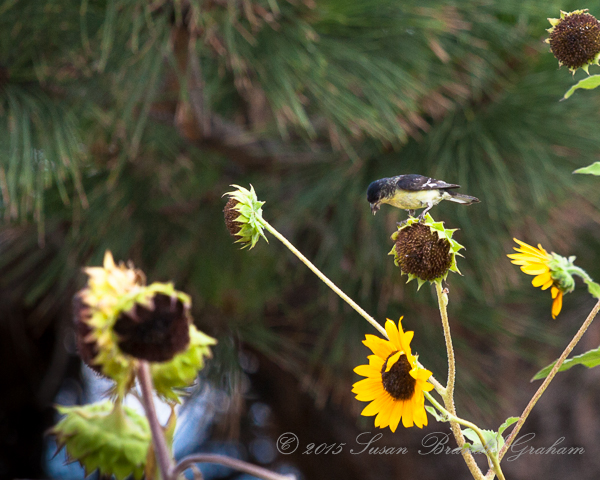
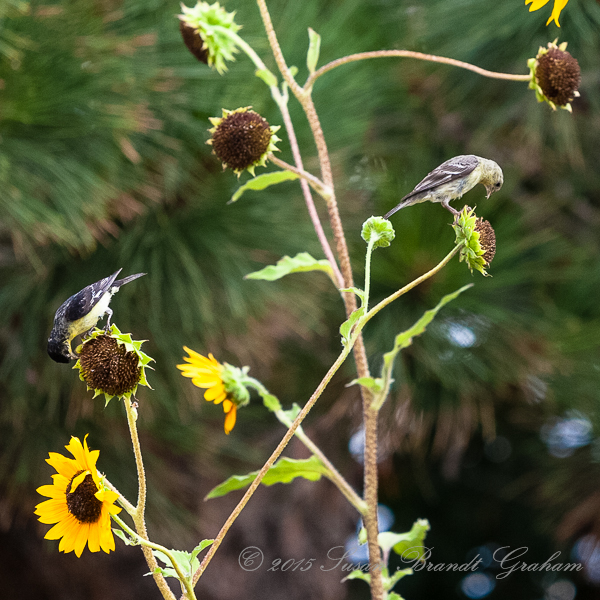
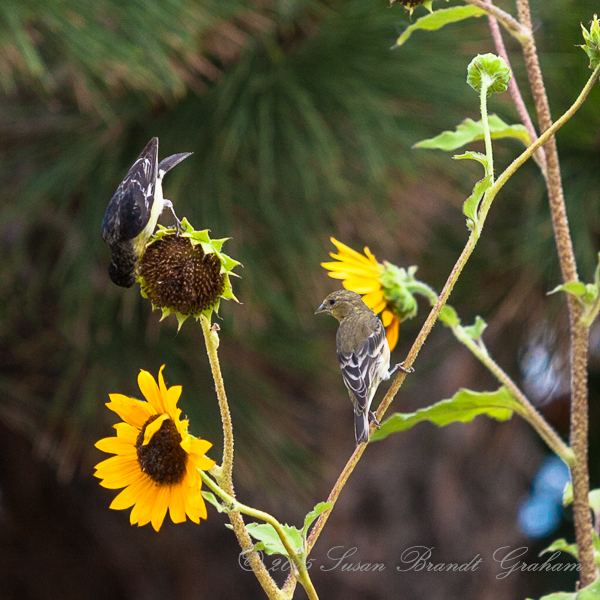
Sunflowers and birds of all kinds go together naturally and beautifully. Several years ago some “volunteers” came up from the seeds I had been feeding. The birds loved the fresh seeds that formed when those flowers finished blooming! The goldfinches preferred them over the expensive nyger seed. The house finches love them, and the doves hang around under the flowers waiting for the other birds to drop an occasional seed. Since that first year of volunteers, I plant sunflowers each year. Although I always intend to plant them right after average frost-free date, some years I don’t get them planted until mid-summer, giving me and the birds flowers and seeds in the autumn. This year I got them planted early, and the flowers have peaked and the birds are enjoying the seeds. Within the next couple of weeks I’ll be removing the spent ones, and resowing seeds for a second bloom in fall. While this past Fourth of July weekend was an extremely busy one, I did make time to relax one afternoon and photograph some of the birds enjoying the sunflower seeds.
Male GoldfinchMale GoldfinchMale Goldfinch Taking FlightMale GoldfinchMale and Female GoldfinchesMale and Female Goldfinches
The summer annuals I grow regularly are sunflowers and cosmos. They attract a variety of pollinators and the birds like the seeds. This year I got them planted in late April, and they are now in bloom.
This morning I found this bee on a cosmos, and it was still cool enough that the bee posed for a couple of good images.
I am fortunate to have neighbors who also grow things to attract pollinators and birds.
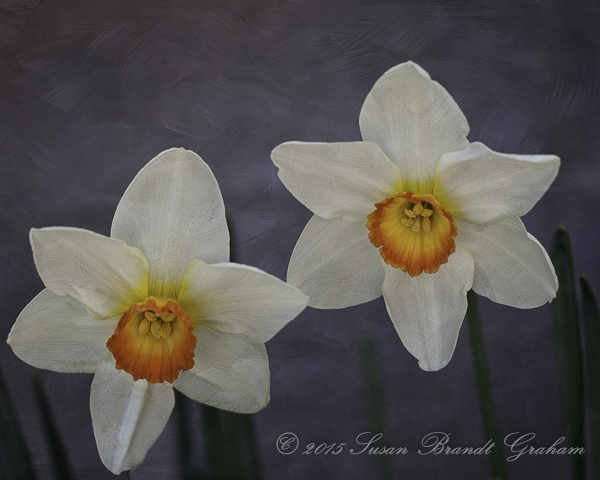
Narcissus seemed to bloom almost overnight. Once the crocus begin to bloom, many more flowers follow in rapid succession, this being one of them.
I have friends in the Northeast still enduring the very long and very snowy 2014-2015 winter. Some have noted they especially like to see yellow flowers. Well, these aren’t exactly yellow, but are kind of in the yellow family. These are especially for you. We have had a glorious winter in the Southwest Desert, at least in the high desert of New Mexico. But, our snowpack is not good. Come summer, we’ll be dealing with wild fires, while friends in the Northeast will be enjoying lush plant growth.
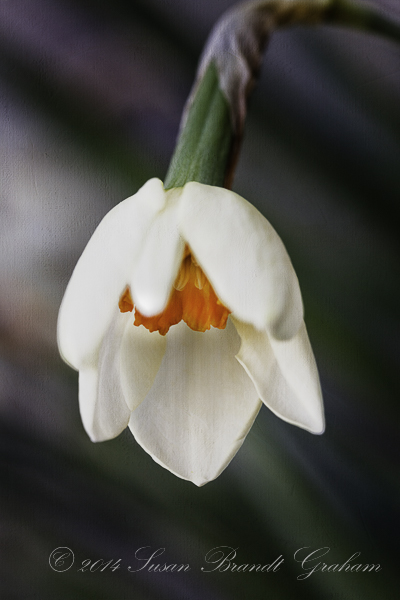
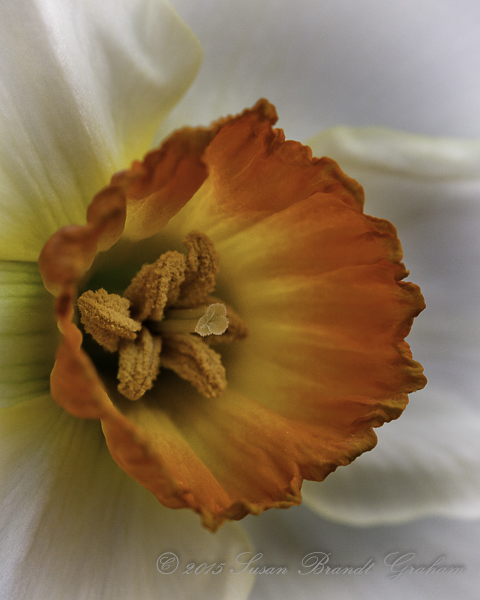
These seemed to come into bloom all of a sudden. Not unexpectedly sudden, only that one day they were not blooming, and the next day so many were. These do not last long, but are very much appreciated for the short time they are. I have chosen to show you a bud, fully open blooms, and a close up of a fully open bloom.
Narcissus BudNarcissusNarcissus, Up Close and Personal
Insight New Mexico has become the premier photography exhibition for New Mexico women photographers. Organized by LeRoy Perea, Insight is an outgrowth of the popular ANMPAS (Annual New Mexico Photographic Art Show), held in December. Both are juried shows, and it is always an honor to have images selected for showing in either one.
The theme of this year’s show is Through Her Eyes. From the press release:
“Through Her Eyes” the 2015 InSight exhibit opening April 5, 2015, at Expo New Mexico showcases the work of women photographers of New Mexico. It was juried by nationally respected women photographers: Jennifer Hudson, Linda Ingraham, Margot Geist and Phyllis Burchett. The show includes more than 125 images, representing the work of 61 emerging and professional women photographers residing in the state. You will see an array of diverse subjects, themes, and unique processes, and every image is available for purchase.
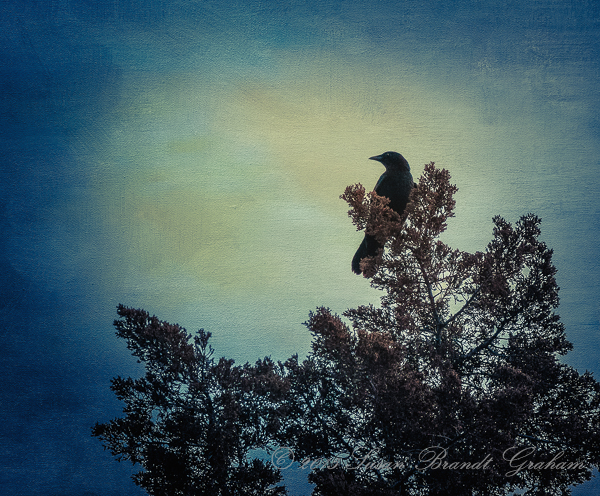
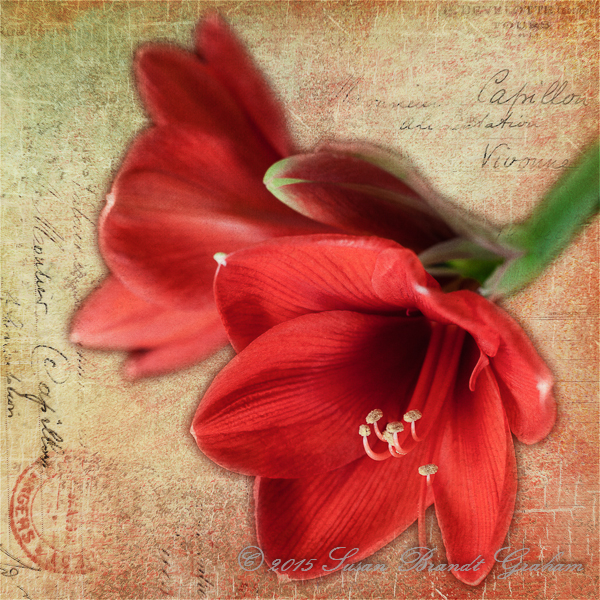
I am very happy that my two images were selected for inclusion in Insight New Mexico 2015, a show which is always fun. This year’s theme, Through Her Eyes, spoke to me. “The Observer, The Observed” was photographed and processed after I returned from Texas to be with my son. The amaryllis in “Postcard Series – Amaryllis” was photographed last year, but the processing of this image was also done after I returned from being with my son. Although rather different at first glance, the underlying theme of each is life transitions, with moments of beauty and of insight, and layers of meaning.
The exhibit will be held in the Fine Arts Building at Expo New Mexico (the New Mexico State Fairgrounds) from April 5th through April 26th. Hours are Tuesday through Sunday (closed on Mondays) from 10:00 a.m. until 5:00 p.m. The cost to see the exhibit is free.
I hope to see my friends from the Albuquerque area there.
Summer Flowers – such a wide range of vivid colors with which to paint a landscape – or a container or two. These flowers are a reminder of summer. Here in the Southwest, we have had an exceptionally mild winter. This collection is especially for my friends in the Northeast, caught in the seemingly Winter of Endless Snow! Although the winter here has been mild, I’m ready for some summer flowers, too! 🙂
The flowers of summer shown here are easy to grow, and most attract butterflies and bees. Some are annuals, some are perennials, but all bring beauty. I always grow some of these, even though I grow more roses than anything else. Variety is good! Some of these are from my yard, some are from the home of friends Tim and Laurie, and some are from the Albuquerque BioPark.
Challenges of Gardening in the High Desert in February
February gardening in New Mexico? Well, that can be both a temptation and a challenge. Here in Albuquerque we are in the midst of a series of warm, sunny days without wind; perfect gardening weather!
The problem is, our average latest frost-free date is in mid-April, and I have seen killing freezes as late as May. When it comes to roses, for example, we tend not to prune until early April, and fertilize even later.
Fortunately, there is no shortage of things to do in the garden in February when the days are so wonderful for being out. I did some weeding; I need to do a lot more before Spring really does arrive! I removed some dead canes from some of the roses. This is not pruning; this is removing dead canes, plain and simple.
I couldn’t help looking over my own-root miniature roses in containers, in protected areas. Some of these have not been appropriately pruned in some time. They always start to leaf out in February, and by the time another 6-8 weeks go by, they are virtually impossible to prune. The canes become spindly, and the blossoms smaller and with less perfect form.
February Gardening – I took a chance with some of these own-root miniature roses, in containers, in protected spots, and pruned them. Several different outcomes are possible with this February Gardening action:
these miniature roses could look better than they have in years;
these miniature roses could die back to the ground with a really severe cold snap, but since they are own-root, most would come back, although it might take time;
the majority could look like they always have.
I want to stress that I did this only with own-root roses in protected areas, for this February gardening and rose pruning action.
This is not the only time I have gone against conventional wisdom in the pruning of some of my roses. Some of you know that I have the Old Garden Rose, ‘Mermaid,’ a Hybrid bracteata introduced in 1918. After its near-demise in the 22 inch snow (“The Big Snow of 2006”), I always cut it back in the fall, and then do not trim it again until after first bloom. It has rewarded me with lush spring growth and spectacular first blooms. It then blooms intermittently throughout summer and fall.
But, this is the first time I have pruned any roses as part of February gardening in Albuquerque. I’ll keep you updated on the result.
Miniature rose ‘Marriotta.’ On its own root, and grown by me in a container in a protected spot. Image from Fall, 2014.
Roses in Albuquerque in 2014 continued to suffer the effects of the prolonged drought in the Southwest. Albuquerque has devised a very effective way to encourage residents to reduce their use of water. We do not (yet) have formal rationing for most private users. However, the water bill is on a sliding scale based on use. The more water a person uses, the higher the rate becomes. Let me assure you, that is a very effective way to encourage people to be aware of their use of water.
I have decreased the number of roses I am currently growing. The ones I have kept are ones that mean something special to me, each for different reasons. I have spent more time photographing the roses I do have (as well as many other things). The roses on this page are roses I grew (with the exception of the image of Dr. Huey, taken on the First Annual Dr. Huey Rose Tour of the Corrales Rose Society, and the back cover of the 2014 American Rose Annual) and photographed.
Spray of rose, ‘Dream Weaver.’ Image awarded ‘Queen’ at the ARS Fall 2014 National Convention.
“Gemini” – Creative Interpretation
King of Show in Photography, ARS 2014 Fall National Convention
Best of Show in Photography, Albuquerque Spring 2014 Rose Show
Spray of ‘Dream Weaver,’ Queen of Show in Photography at the 2014 ARS Fall National
Miniature rose, ‘Child’s Play,’ fully open, stamens showing
Blue Ribbon and Best of Section, Fully Open Roses, 2014 ARS Fall National Rose Show and Convention
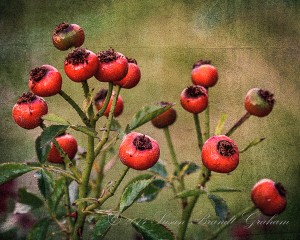
Hips of Miniature Rose Yoyo
Blue Ribbon and Best of Section Rose Potpourri
Rose Gemini
Best of Section, Albuquerque 2014 Spring Rose Show
Blue Ribbon in Photography, ARS 2014 Fall National Rose Show and Convention
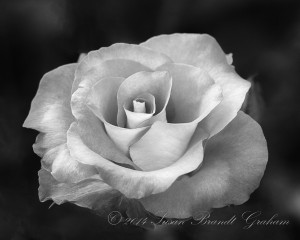
Best of Black and White Challenge Class, Albuquerque 2014 Spring Rose Show
Blue Ribbon, ARS 2014 Fall National Rose Show and Convention
Shrub Rose Distant Drums
Best of Theme, “The Artistic Rose,” Albuquerque 2014 Spring Rose Show
Miniature Rose, ‘Child’s Play’
Blue Ribbon, ARS 2014 Fall National Rose Show and Convention
The wonderful rose, ‘Gemini,’ shown here fully open with stamens showing
Blue Ribbon, ARS 2014 Fall National Rose Show and Convention
Old Garden Rose, Hybrid bracteata 1918
Mermaid
Rose Mermaid
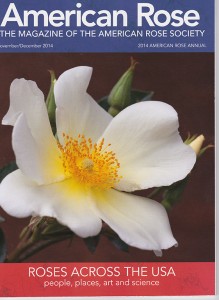
Front cover, 2014 American Rose Annual
Back Cover, 2014 American Rose Annual
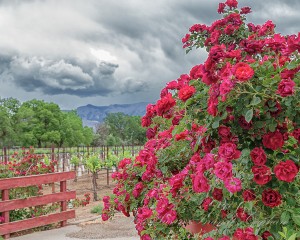
“Roses in Red, White, and Blue American Landscape”
A stunning miniature rose with distinctive reflex petals – Glowing Amber
Blue Ribbon at the ARS 2014 Fall National Rose Show and Convention
Veterans’ Honor – Creative Interpretation
Blue Ribbon, ARS 2014 Fall National Rose Show and Convention.
Honorable Mention at the small 2014 Santa Fe Rose Show, highlighting once again the need for standardized judging guidelines and especially ARS accredited rose judges (and especially judges chairs) who also possess recognizable photography credentials.
Rose Dr. Huey, often used as root stock for other roses grown for blooms.
Blue Ribbon, ARS 2014 Fall National Show and Convention.
Honorable Mention at the small Santa Fe show, once again highlighting the need for standardized judging guidelines, and judges (especially judges chairs) who are ARS accredited judges with recognized photography credentials.
Spray of miniature rose, Foolish Pleasure
Blue Ribbon, ARS 2014 Fall National Rose Show and Convention.
Third place at Santa Fe’s small local show, highlighting the need for standardized guidelines and judges (especially judges chairs) who are ARS accredited judges and who are also photographers with recognized credentials.
Rose Dream Weaver
Best of Class, Rose Sprays, at Albuquerque 2014 Spring Rose Show
Rose Leonidas
This hybrid tea has very distinctive form and colors.
I especially appreciate that the judges in this national show used the Score Card developed when I served as the first Chairman of Photography in the Pacific Southwest District for judging the rose photographs. When I began that task in the PSWD, it was clear that some system and uniformity was necessary. To see the Score Card used at the national level is very gratifying to me. Much less gratifying is overhearing judges instructions being given at some of the local shows in the Pacific Southwest District in 2014, where the instructions given were one person’s opinion with no reference to the Score Card, although the Score Card was printed in the Schedule. That will change over time, as those judging rose photographs will be required to be accredited rose judges, as in all other portions of rose shows today.
Dream Weaver Spray – Queen of Show in Photography at ARS 2014 Fall National
Spray of rose, ‘Dream Weaver.’ Image awarded ‘Queen’ at the ARS Fall 2014 National Convention.
‘Dream Weaver’ is a rose classified as a Climbing Floribunda. It can produce beautiful and large sprays.
This photograph of a Dream Weaver spray won Queen of Show in the Photography portion of the American Rose Society 2014 Fall Convention and Show. In roses, ‘Queen’ is the equivalent of ‘Best in Show.’
Many thanks to the judges for awarding this image. I especially appreciated that the judges in this national show used the Score Card for judging rose photographs developed when I served as the first Chairman of Photography in the Pacific Southwest District. When I began that task in the PSWD, it was clear that some system and uniformity was necessary. To see that used at the national level is very gratifying to me. Much less gratifying is overhearing judges instructions being given at local shows in the Pacific Southwest District where the instructions are one person’s opinion with no reference to the score card. But, that will change when only accredited rose judges are allowed to judge the rose photographs. Change may be slow, but it will happen.